Business Tips
How Do Dominicans Actually Find a Local Business?
Oct 3, 2026
11 min read
consumer behaviourWhatsApp
Read More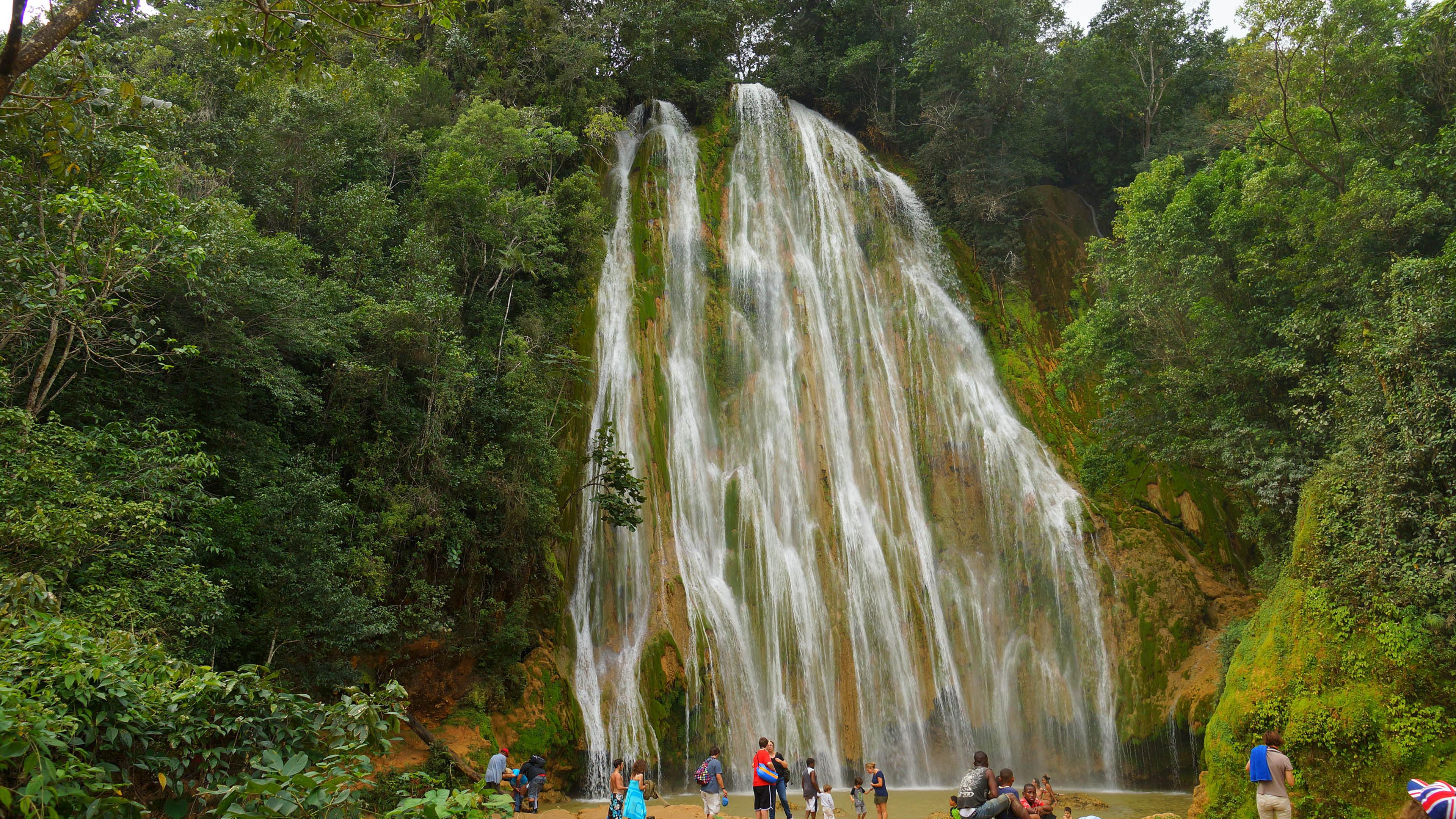
The Samaná Peninsula is the Dominican Republic that the postcards forget — a mountainous finger of land in the northeast where coconut plantations spill down to some of the Caribbean's most beautiful beaches, humpback whales fill the bay each winter, and a decades-old European expat community has quietly built one of the country's most sophisticated small markets. It's not a mega-resort zone and it isn't trying to be. Samaná sells something rarer: authentic, eco-conscious, untouched nature, to travelers and buyers who specifically don't want Punta Cana. For the local businesses serving that market — tour operators, eco-lodges, restaurants, and above all real estate — a website is what connects them to an audience that is researching, comparing, and buying almost entirely online, often from another continent.
Samaná is anchored by three distinct places, each with its own character. Santa Bárbara de Samaná, the provincial capital, is the working port town and the gateway to whale season. Las Terrenas has become the peninsula's cosmopolitan center, a genuinely multicultural town shaped by French, Italian, and Swiss expats who began arriving in the 1970s. And Las Galeras, at the peninsula's eastern tip, remains a quiet fishing village with access to legendary beaches like Playa Rincón — a more rustic, off-the-grid experience. What ties them together is a shared identity: this is the eco-tourism and authentic-lifestyle corner of the Dominican Republic, served by an El Catey international airport with direct flights from North America, and populated by a resident foreign community that gives the market year-round life beyond the tourist seasons. (We look specifically at the cosmopolitan hub in our piece on web design in Las Terrenas and Samaná; this is the wider-peninsula view.)
Samaná's signature natural event is one of the great wildlife spectacles on Earth. Each year between January and March, thousands of humpback whales migrate into Samaná Bay to mate and calve, and the region has grown around them: the Dominican Republic has the largest whale-watching industry in the Caribbean, with international tourists making up the overwhelming majority of whale-watchers in Samaná. But the peninsula is far more than a three-month whale show. Los Haitises National Park and its mangroves and caves, the 40-meter Salto El Limón waterfall, the beaches of Las Galeras and Cayo Levantado, and a genuine culture of sustainable, community-based tourism give Samaná a year-round eco-tourism identity. The traveler who comes here is self-selecting: they've chosen nature and authenticity over all-inclusive convenience, which means they research independent operators, read reviews, and book experiences online rather than through a resort desk. That's precisely the traveler a good website captures.
Both halves of Samaná's economy — tourism and real estate — are won and lost on the screen, before anyone arrives. The eco-traveler planning a Samaná trip is comparing whale tours, eco-lodges, and restaurants from home, weeks in advance, in English or French or German. The property buyer is even more online: Samaná's real estate market draws buyers from all over the world, and a foreign buyer researching land, a villa, or a condo on the peninsula does essentially all of that research remotely, in their own language, long before they ever fly in to visit. Neither of these customers can be reached through a Facebook page and a phone number passed around by word of mouth. They find businesses through search, judge them by their websites, and commit — sometimes to a six-figure property — based substantially on what they find online. In a market this international and this research-driven, the website isn't a marketing extra; it's the entire storefront.
The eco-tourism-plus-expat character of the peninsula creates especially strong openings for particular business types:
• Tour and excursion operators. Whale watching, Los Haitises, El Limón, Playa Rincón, and Cayo Levantado are world-class draws, and the operators who rank for them online capture the independent traveler directly — exactly the approach we lay out for tour operators and excursion companies. For seasonal businesses like whale tours, ranking before the season starts is decisive.
• Eco-lodges, boutique hotels, and guesthouses. Samaná's lodging skews small, independent, and character-driven — precisely the kind of business that needs a direct-booking website to escape platform commissions and reach the traveler seeking something more authentic than a resort.
• Real estate and property management. With buyers arriving from North America and Europe and a market spanning land, villas, and condos, real estate is Samaná's highest-value online vertical, best served the way we describe for real estate websites — bilingual, image-rich, and built for the remote foreign buyer.
• Restaurants and lifestyle services. The resident expat community plus the international visitor flow means restaurants, wellness practitioners, and services findable online serve both a year-round local market and a seasonal tourist one.
The winning formula, tuned to the eco-tourism and international-buyer reality:
• Multilingual, beyond just English and Spanish. Samaná's deep French, Italian, and other European expat and visitor presence means the languages that matter here go past the usual two. Each language needs its own real, indexed pages, built the way we describe in bilingual SEO, so a French buyer or an English-speaking eco-traveler finds you in their own language.
• Photo-forward, without the weight. Samaná sells on breathtaking imagery — whales breaching, Playa Rincón, a waterfall in the jungle — but heavy galleries kill mobile speed, so the image-optimization craft is essential to selling the beauty without sacrificing the load time.
• Fast on mobile. Whether it's a traveler comparing tours or a buyer browsing listings from abroad, the research happens on a phone, and speed converts directly into inquiries and bookings.
• WhatsApp-connected, with deposits online. Bookings and inquiries close in a chat, so one-tap WhatsApp, Maps, and Instagram plus the ability to secure a tour or reservation with an online deposit turns remote interest into confirmed business.
• Content that ranks year-round. For a seasonal destination, content is what smooths the calendar — pages answering "best time for whale watching in Samaná," "how to visit Los Haitises," or "buying property in Las Galeras" rank continuously and capture planners months ahead, keeping the pipeline full even in the off-season.
Samaná's market is genuinely attractive — international, high-value, year-round thanks to the expat base — but it has realities worth naming plainly. Seasonality is real for tourism operators: whale season is a concentrated burst, and a business overly dependent on those three months has to work harder, through content and the resident market, to earn year-round. The peninsula is less developed than the big resort zones, with infrastructure quirks that make reliable hosting and a fast, resilient site more than a nicety. And because the buyers and travelers are so international, doing this market justice means genuine multilingual quality, not a token translation — the French retiree and the German eco-traveler notice. None of this argues against building; it argues for building well. Samaná rewards the businesses that meet its discerning, international audience with the professionalism that audience expects.
It's worth understanding why Samaná became reachable enough to build a real market. For most of its history the peninsula was remote — a long, difficult drive from anywhere. Two things changed that: the modern highway connecting Samaná to Santo Domingo, which cut the journey dramatically, and the El Catey International Airport, which brought direct flights from North America and Europe. That access is what turned a beautiful but isolated backwater into a destination that international travelers and property buyers can actually reach on a normal vacation timeline. For local businesses, the significance is simple: the audience that infrastructure unlocked is an international, fly-in, research-first audience — the kind that plans online before arriving. A traveler who books a flight to El Catey has already decided to come; the question is only which whale tour, which eco-lodge, which restaurant they choose once they start searching. Being the business that shows up, in their language, with a professional site and easy booking, is how you capture demand that the airport and the highway delivered to your door.
Web development is remote work, so a business in Samaná, Las Terrenas, or Las Galeras doesn't need a developer in town — it needs one who understands the Dominican tourism and real-estate market and Samaná's uniquely international, eco-conscious audience. That's exactly what we do at DR Web Studio: fast, multilingual, bookable websites for Dominican tourism and property businesses, with WhatsApp and local payments wired in and the first year of maintenance included. Whether you're filling whale-season tours, an eco-lodge's calendar, or a pipeline of international property buyers, the site that reaches your audience in their language is the one that wins the peninsula. Contact us for a free consultation and let's build it.