Dominican Republic
We Tested 200 Dominican Business Websites. Almost All Are Slow on Mobile.
Oct 2, 2026
9 min read
data studyweb performance
Read More
Las Terrenas is the most European corner of the Dominican Republic — a town where French is heard as often as Spanish, where Italian and English fill the beachfront restaurants, and where a large expat community lives alongside Dominican businesses year-round. Add Samaná's whale-watching season, El Limón, and Los Haitises, and you have a market whose defining feature is that no single language covers it. That's exactly why web design here demands more than a translated template.
Most Dominican tourist zones are bilingual jobs: Spanish plus English. Las Terrenas and Samaná are different. The French community — residents and a steady flow of French, Belgian, Swiss, and Canadian visitors — is large enough that French isn't optional for many businesses; it's a primary market. A restaurant, villa rental, tour operator, or clinic here often needs to be found and understood in three languages: Spanish, English, and French.
The trap is doing this with a translate widget. Machine-translated pages read wrong to native speakers, rank poorly, and can even hurt the original language's visibility. Real multilingual SEO means each language gets its own indexed URLs, its own natural keywords (a French traveler searches "excursion baleines Samaná," not a translation of the English phrase), and its own properly written content — the same principles we lay out in bilingual SEO: ranking in two languages without hurting either, extended to a third.
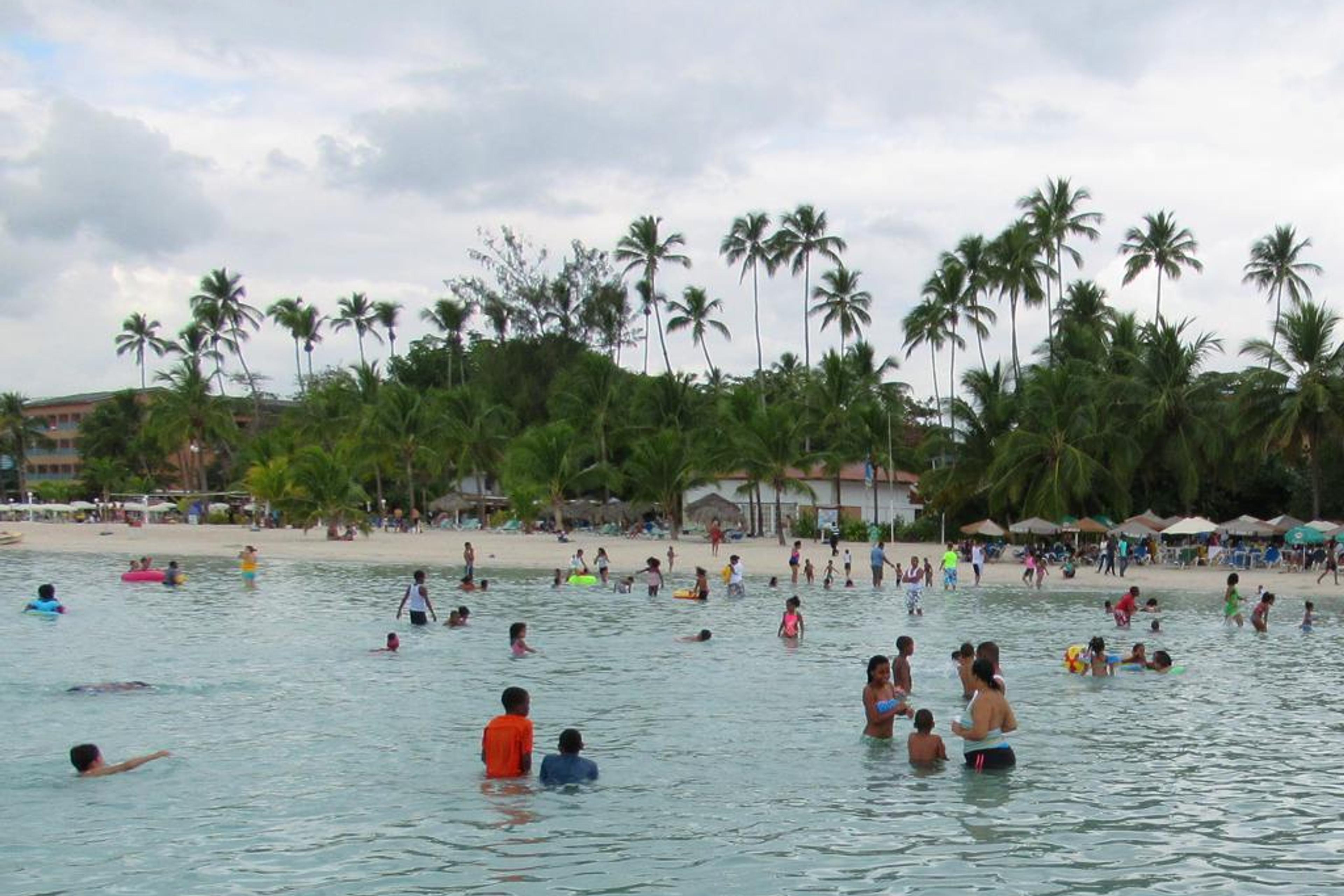
The Samaná peninsula's customers behave like east-coast tourists everywhere: they research on phones, they check Google Maps, they verify on Instagram, and they book on WhatsApp. So the technical formula holds — fast mobile performance (the revenue math is in how speed affects your sales), WhatsApp, Maps, and Instagram wired directly into the site, and photography that does justice to Playa Bonita and El Limón without slowing the page, per our tourism image optimization guide.
Samaná has something few markets do: an extreme seasonal spike. From January to March, whale-watching searches multiply — and the businesses that capture that surge are the ones whose sites were built, indexed, and ranking before the season, in the languages those visitors search in. A site launched in December is too late for January; the time to build is the off-season.
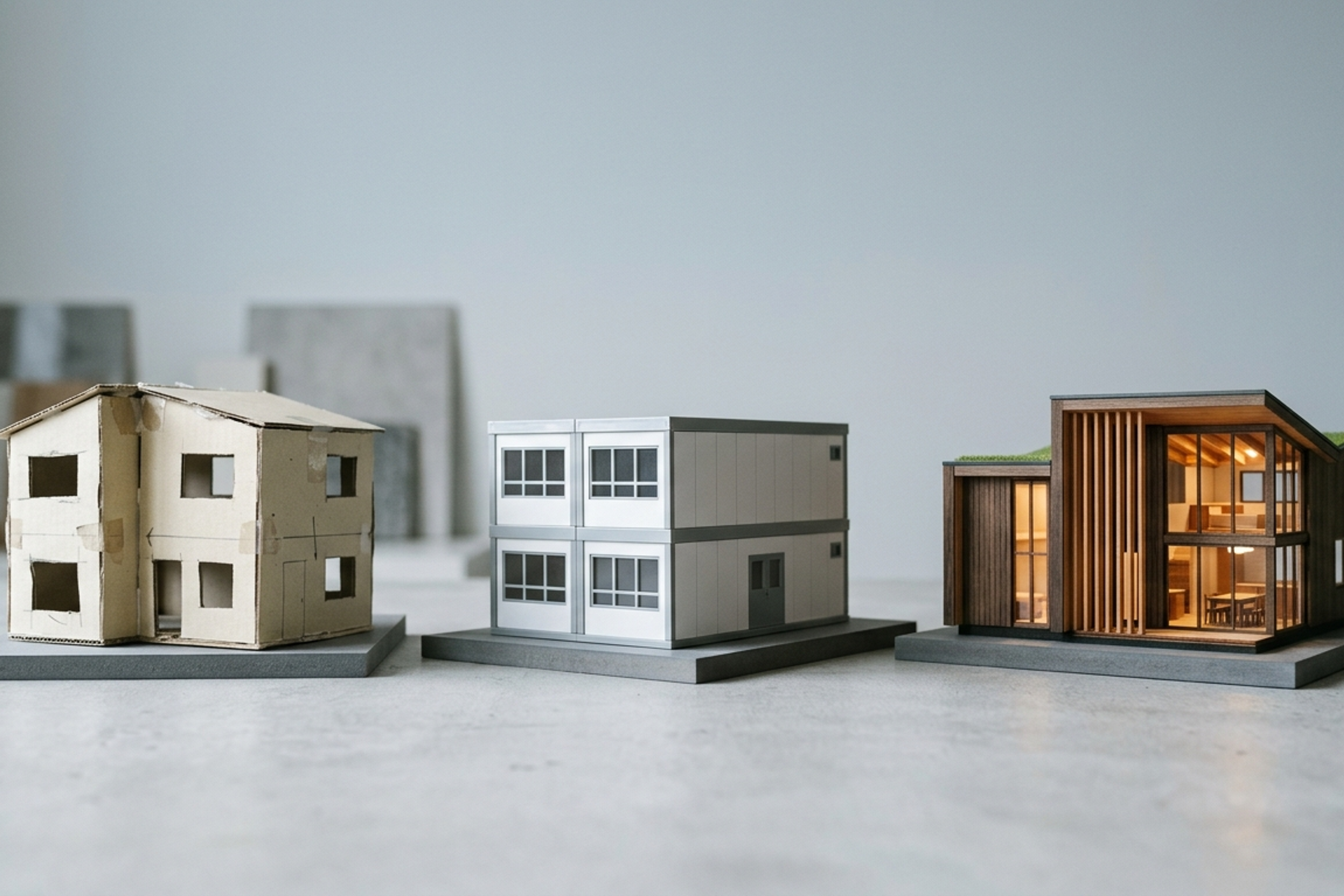
Like La Romana, this corridor is underbuilt online relative to its traffic. Many Las Terrenas businesses still run on Facebook pages and Instagram profiles alone, and genuinely trilingual professional sites are rare. For a business here, that's a competitive vacuum: properly built multilingual pages can own valuable searches in French especially, where competition is thinnest. It's the same platform argument we make in why your business needs more than a template — with three languages, the template approach breaks down completely.
Three languages sounds like three websites' worth of maintenance, but built correctly it isn't. The architecture that works: one site, one CMS, three localized versions. Each language lives at its own URL prefix (/es/, /en/, /fr/), each page has properly translated metadata and its own keywords, and hreflang tags tell Google which version to show which searcher — so your French pages appear to searchers in Paris and Montréal while your Spanish pages serve Santo Domingo, without competing against each other. On a modern stack with a headless CMS, you manage everything from a single dashboard: update a price or a photo once, and every language version stays in sync structurally while the text remains natively written per language. That last distinction is the entire game — the structure is shared, the words never are.
Two practical rules make it sustainable. Launch with your two strongest languages complete rather than three half-done ones, and add the third when content is ready. And translate for each audience rather than from one: the French page for a whale excursion should answer what French-speaking travelers actually ask (transport from Las Terrenas, group sizes, what to bring), not mirror the English page line for line.
Not every business here needs all three equally, and budget should follow the customer. Restaurants and beach clubs live on all three daily — tourists, residents, and the francophone community all eat out. Villa rentals and real-estate services lean English-French first: the buyers and long-stay guests are overwhelmingly international, with French buyers a defining segment of Las Terrenas property. Excursions and whale-watching need English and French for visitors, Spanish for the domestic market that arrives on holiday weekends. Clinics, salons, gyms, and everyday services need Spanish plus whichever expat language dominates their clientele — often French here more than anywhere else in the country. A good developer starts by asking where your revenue actually comes from, then builds languages in that order — which is exactly the kind of market-fit question we press on in planning a web project.
Whale season is the famous spike, but the peninsula's calendar has more rhythms worth building around. European summer (July–August) brings the French and Italian long-stay wave; December–April is the classic Caribbean high season plus the whales; and the kitesurfing crowd follows the wind months on Playa Bonita and Portillo. Each rhythm is a content opportunity: pages that answer each season's searches — in that season's dominant languages — before the season arrives. A site built once and left static captures one of these waves at best; a site with a living content plan catches them all, year after year, which is precisely the compounding advantage a template-with-widget approach can never deliver.
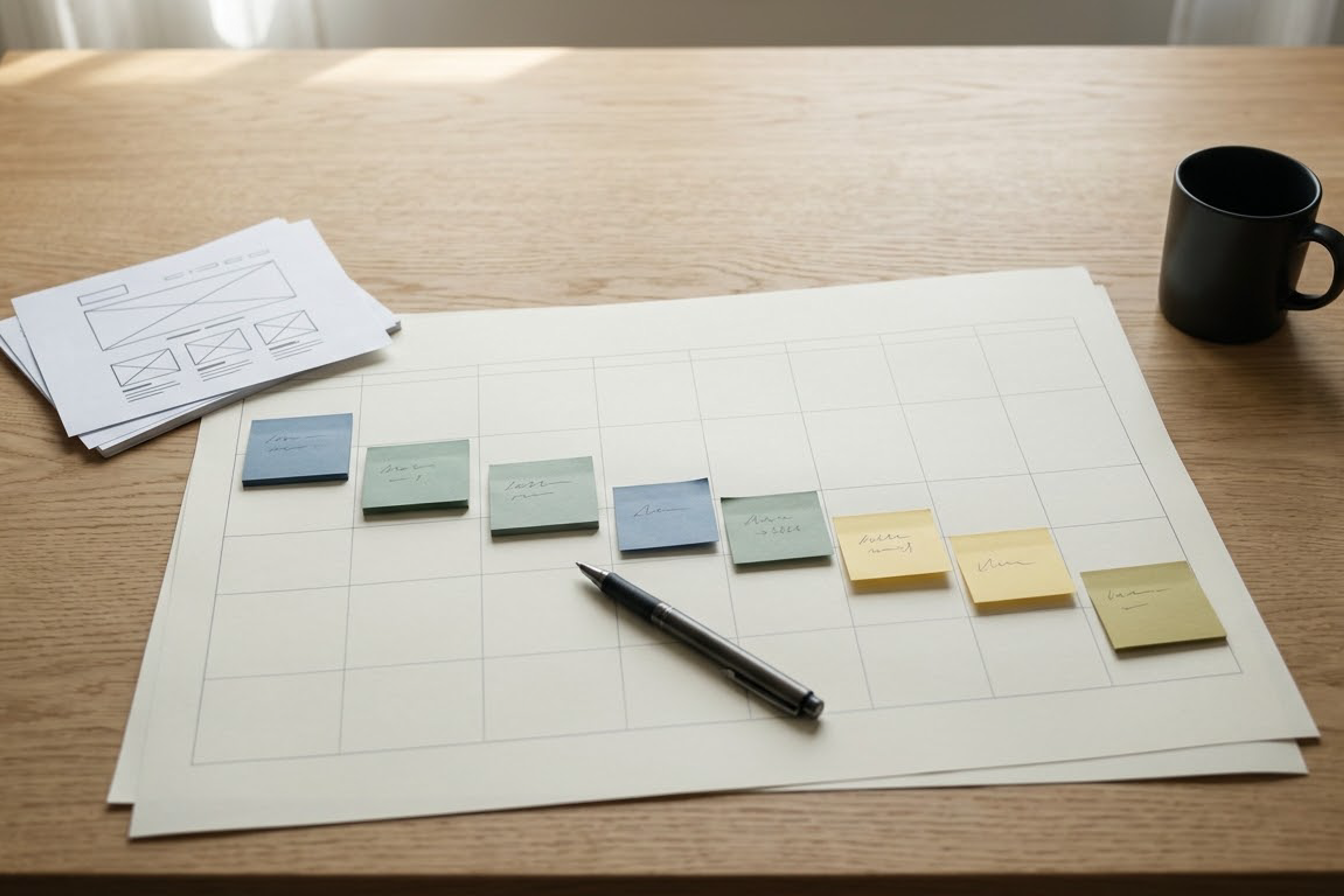
Trilingual doesn't have to mean tripling your launch budget on day one — the smart path is phased. Phase one: launch bilingual, structured for three. Build the site with the multilingual architecture in place (localized URL structure, hreflang, a CMS that treats languages as first-class) but launch with your two revenue-critical languages complete. The third language costs far less to add to a correctly built site than to retrofit onto a template. Phase two: add the third language to your money pages first. Not the whole site — the homepage, your top offers, and the contact path. For most Las Terrenas businesses that's five to eight pages in French, which captures the majority of the francophone opportunity at a fraction of full translation. Phase three: extend with the seasons. Ahead of whale season, translate and publish the whale content in all three; ahead of the European summer, the long-stay and rental content. Each phase pays for the next, and at no point are you maintaining three half-finished sites. This is also the honest budgeting conversation to have with any developer you interview: ask how they'd phase your languages, and you'll learn immediately whether they've actually built multilingual or just resell a translation plugin.
It's also worth naming what you're really buying with multilingual done properly: defensibility. Any competitor can copy a template in a weekend; almost none will invest in three languages of genuinely written content, neighborhood-level SEO, and a phased seasonal plan. That's why the trilingual site, once ranking, tends to keep its position — the cost of displacing it is exactly the work nobody else in town wants to do. In a market as distinctive as Las Terrenas, that makes the website less an expense and more a moat.
Multilingual is our specialty: a complete business website runs around US$950, with multilingual builds adding around US$800 for the full extra-language architecture — real localized URLs, translated metadata, and hreflang done correctly, not a widget. We've built up to nine languages for a single platform (the Punta Cana Proposal Packages case study shows how each language ranks independently). Full pricing context is in what a website costs in the DR.
If your Las Terrenas or Samaná business serves customers in two or three languages, contact DR Web Studio for a free consultation — we'll map exactly which languages and pages will pay for themselves first.