Business Tips
How Do Dominicans Actually Find a Local Business?
Oct 3, 2026
11 min read
consumer behaviourWhatsApp
Read More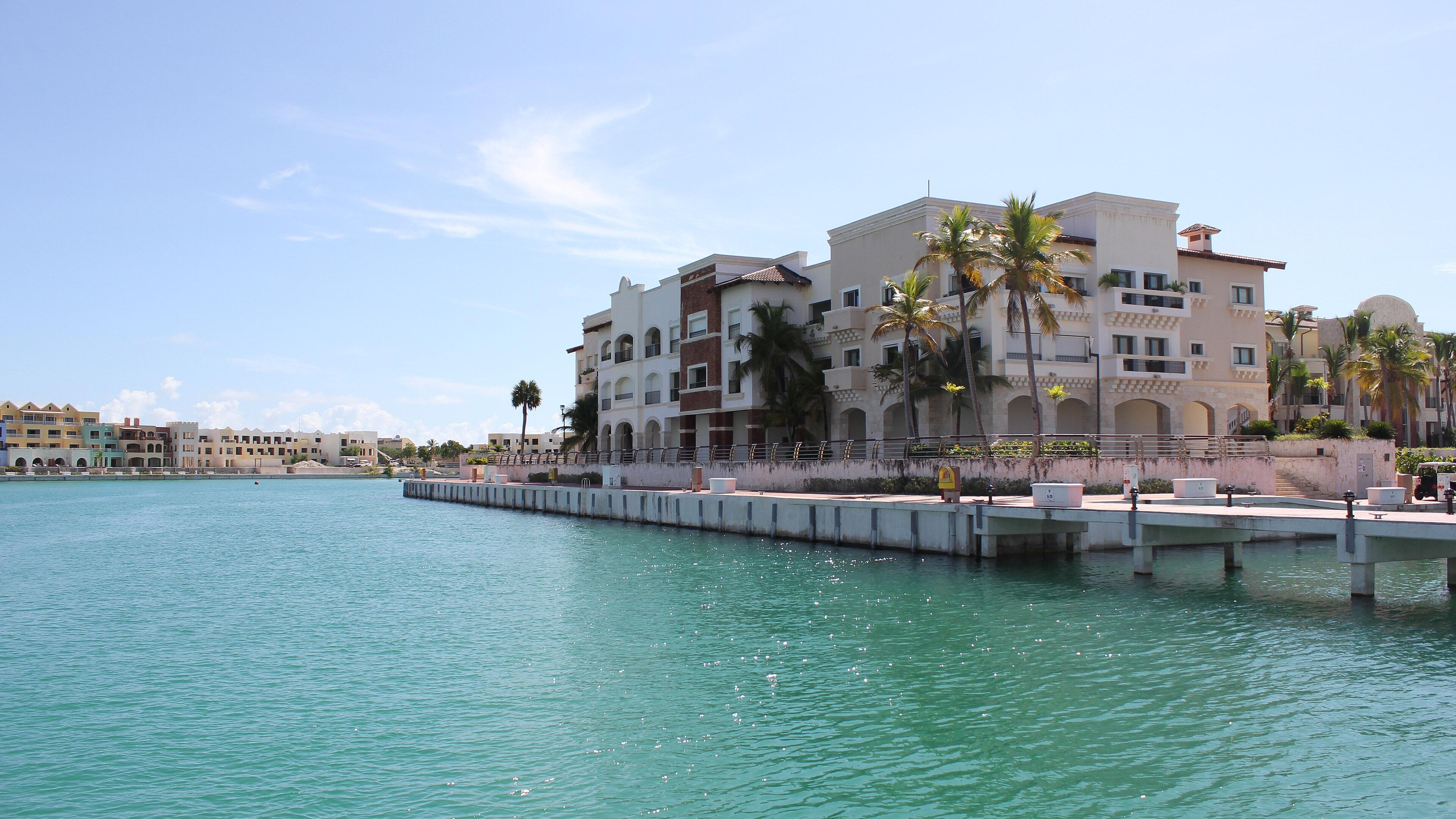
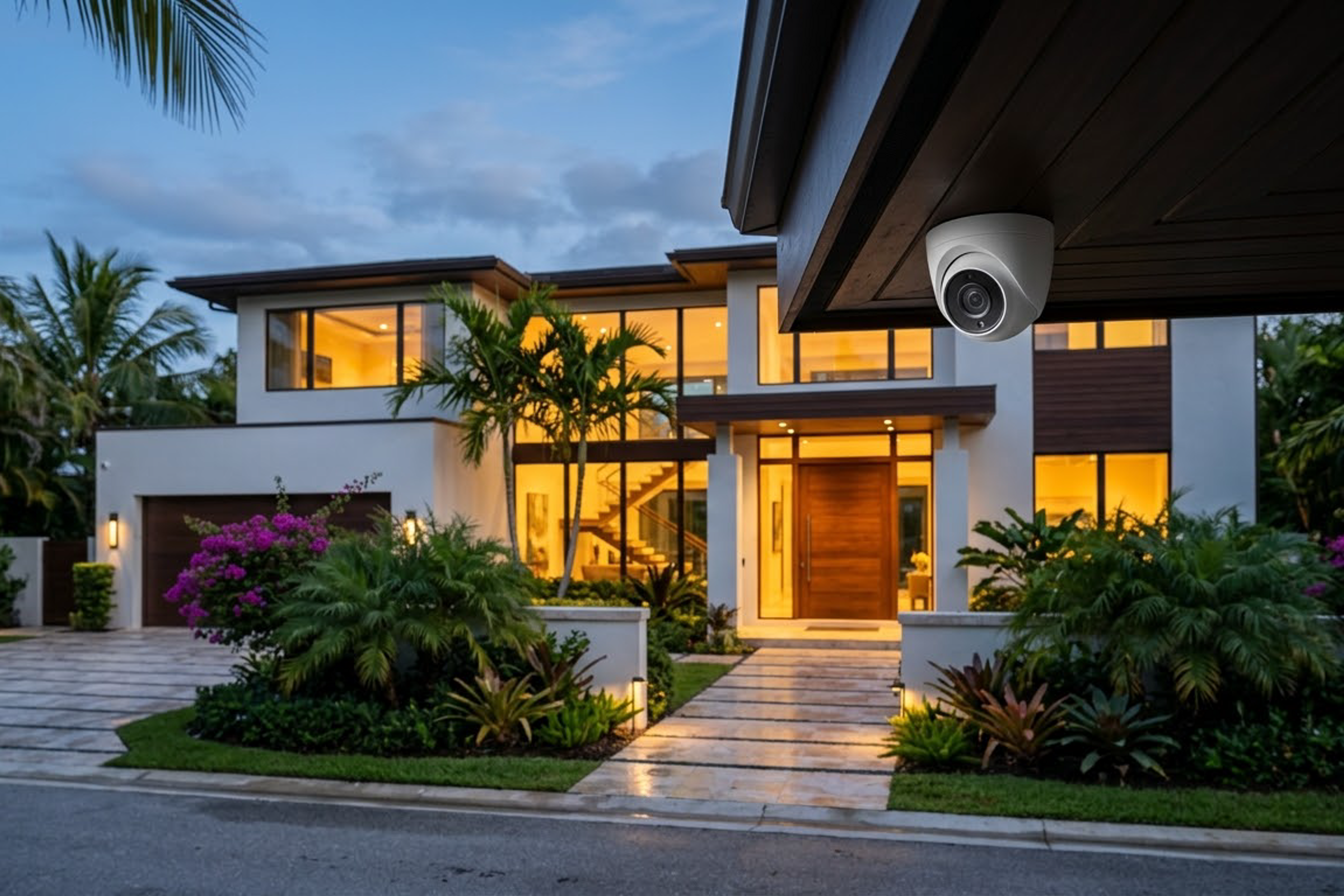
A client considering a US$5 million villa at Cap Cana, a yacht charter from the Caribbean's largest marina, or a private chef for a week at a St. Regis residence has one thing in common across all three: before they ever speak to you, they will look at your website — and they will judge you by it in seconds. Cap Cana is not an ordinary market, and it does not forgive an ordinary web presence. This is the 30,000-acre gated enclave inside Punta Cana where St. Regis residences sell from one to over twenty million dollars, where the marina berths yachts up to 150 feet, and where the client's baseline expectation for service was set by a butler. For the businesses serving this world, a website isn't a brochure. It's the first impression, and at this level, the first impression has to be flawless.
To understand why the web bar is so high here, you have to understand the place. Cap Cana spans 30,000 acres of gated, master-planned luxury just seven minutes from Punta Cana International Airport. Inside it: the St. Regis Resort and Residences, with 200 hotel rooms, 70 branded residences, and 24/7 concierge and butler service; the Eden Roc; the Jack Nicklaus-designed Punta Espada golf course, ranked among the finest in the world; the largest marina in the Caribbean and the largest equestrian center; Scape Park; and the beaches and dining of Juanillo. Median asking prices run around US$389,000 for a condo and US$1.1 million for a villa, with dozens of new luxury developments underway. The people who buy, rent, and vacation here are ultra-high-net-worth, globally mobile, and surrounded at every turn by five-star execution. Their standard for "good" is not the local average — it's the St. Regis average. Any business hoping to serve them is measured against that, whether it wants to be or not.
Here's the uncomfortable mechanic of a luxury market: the client forms a verdict about the quality of your service from the quality of your website, before any human contact. It's a proxy, and an unfair-feeling one, but it's how discerning buyers filter. A villa-rental company with a slow, dated, or clumsy site tells a $10,000-a-week renter that the villa experience will be slow, dated, and clumsy too. A concierge whose website looks amateur signals amateur service, no matter how excellent the service actually is. In a normal market a mediocre website costs you some conversions; in the luxury market it disqualifies you before the conversation starts, because the client has ten other options and no reason to gamble on the one that couldn't be bothered to look the part. The website isn't representing your business to this client. For the crucial first minute, the website is your business.
Meeting the Cap Cana bar isn't about adding gold accents and the word "luxury" to a template. It's a set of concrete, non-negotiable qualities the discerning client reads instantly, consciously or not:
• Design that signals quality without trying too hard. Restraint, generous space, refined typography, and photography that's genuinely beautiful — the visual language of the brands this client already trusts. A cluttered or dated design reads as a lack of quality control, which is the last thing a luxury buyer will tolerate.
• Speed that feels instant. A luxury client's patience is short and their expectation is immediate. A site that hesitates for even a couple of seconds breaks the spell of effortlessness that luxury depends on, and speed is directly tied to whether they stay or leave.
• Photography that does the property justice, without slowing the site. This market is sold on imagery — the villa, the yacht, the sunset over Punta Espada — but enormous unoptimized images betray an amateur build and destroy speed, which is exactly the tension the image-optimization craft resolves.
• Flawless multilingual polish. The Cap Cana client is international — American, European, Latin American — and a site that's fluent in their language, genuinely and not through a clumsy auto-translate, is a baseline courtesy at this level, built the way we describe in bilingual and multilingual SEO. A grammatical error in the client's own language is a quiet disqualification.
• Frictionless, discreet contact. The luxury client expects to reach a human easily and privately — a direct, elegant path to WhatsApp or a concierge line, integrated cleanly the way we cover in connecting your site to WhatsApp and other channels, never a clumsy form that feels like a mass-market funnel.
Every business serving the Cap Cana clientele lives or dies by this standard, but a few feel it most acutely:
• Luxury real estate and villa sales. With a median villa around US$1.1 million and residences reaching eight figures, the buyer researches extensively online before ever flying in. The listing site is the showroom, and it competes with St. Regis's own marketing — the formula we detail for real estate websites, executed at the highest tier.
• Villa rental and property management. The renter paying premium weekly rates chooses from photos and a website alone, often from another continent. Trust is built entirely through the screen.
• Concierge, private chefs, and lifestyle services. These businesses sell an experience of effortless quality, and the website is the first and most important demonstration that they can deliver it.
• Yacht and charter operators. Serving a marina that berths 150-foot yachts means serving clients for whom presentation is everything; the booking experience must feel as premium as the vessel.
• Fine dining and wellness. The restaurant or spa that looks exquisite online and books seamlessly captures the guest who could just as easily stay inside the resort.
Serving the luxury market is genuinely rewarding — higher margins, better clients, work that lets you take real pride in craft — but it's worth being clear-eyed. The standard is unforgiving: there's little tolerance for "good enough," and a website at this level has to be built and maintained with real care, not launched and forgotten. The audience is smaller than the mass tourism market, so the strategy is depth over volume — converting a few high-value clients rather than capturing many low-value ones — which rewards quality and punishes corner-cutting. And meeting this bar is an investment; a truly premium site costs more to build than a basic one, for the simple reason that the polish is the point. But the math of luxury forgives that easily: when a single villa sale or a season of premium rentals dwarfs the cost of the website that won it, under-investing in that website is the only expensive mistake.
There's a nuance worth naming: the ultra-luxury client often doesn't discover you through a generic Google search the way a mass-market tourist does. They arrive by referral, through a broker, from the resort's own network, or via a targeted search for something specific and high-intent — "Cap Cana villa rental with staff," "private chef St. Regis Cap Cana," "Punta Espada real estate." That changes the SEO priority but doesn't remove it. It means the goal isn't ranking for broad, high-volume tourism terms; it's owning the narrow, high-value searches a serious buyer actually types, and having a site polished enough that when a referral does look you up — which they always do — what they find confirms the recommendation rather than undermining it. In luxury, search and reputation work together: the referral gets them to your site, and the site has to finish the job. A business that's invisible for its high-intent terms loses the buyer who was ready; a business that ranks for them but looks cheap loses the buyer at the door. You need both, and both are buildable.
Web development is remote work, so a business serving Cap Cana doesn't need a developer inside the gates — it needs one who understands both the Dominican market and the exacting standard the luxury client brings. That's exactly what we do at DR Web Studio: fast, beautiful, multilingual websites built with the polish this clientele expects, with elegant contact and the technical craft that keeps a photo-rich site loading instantly. We build for tourism businesses across the Dominican Republic, from the emerging frontiers to the luxury enclaves, and Cap Cana is where the quality of the build matters most. If your business serves this market and your website doesn't yet match the standard your clients expect, contact us for a free consultation — let's make your first impression as flawless as the experience you deliver.