Business Tips
How Do Dominicans Actually Find a Local Business?
Oct 3, 2026
11 min read
consumer behaviourWhatsApp
Read More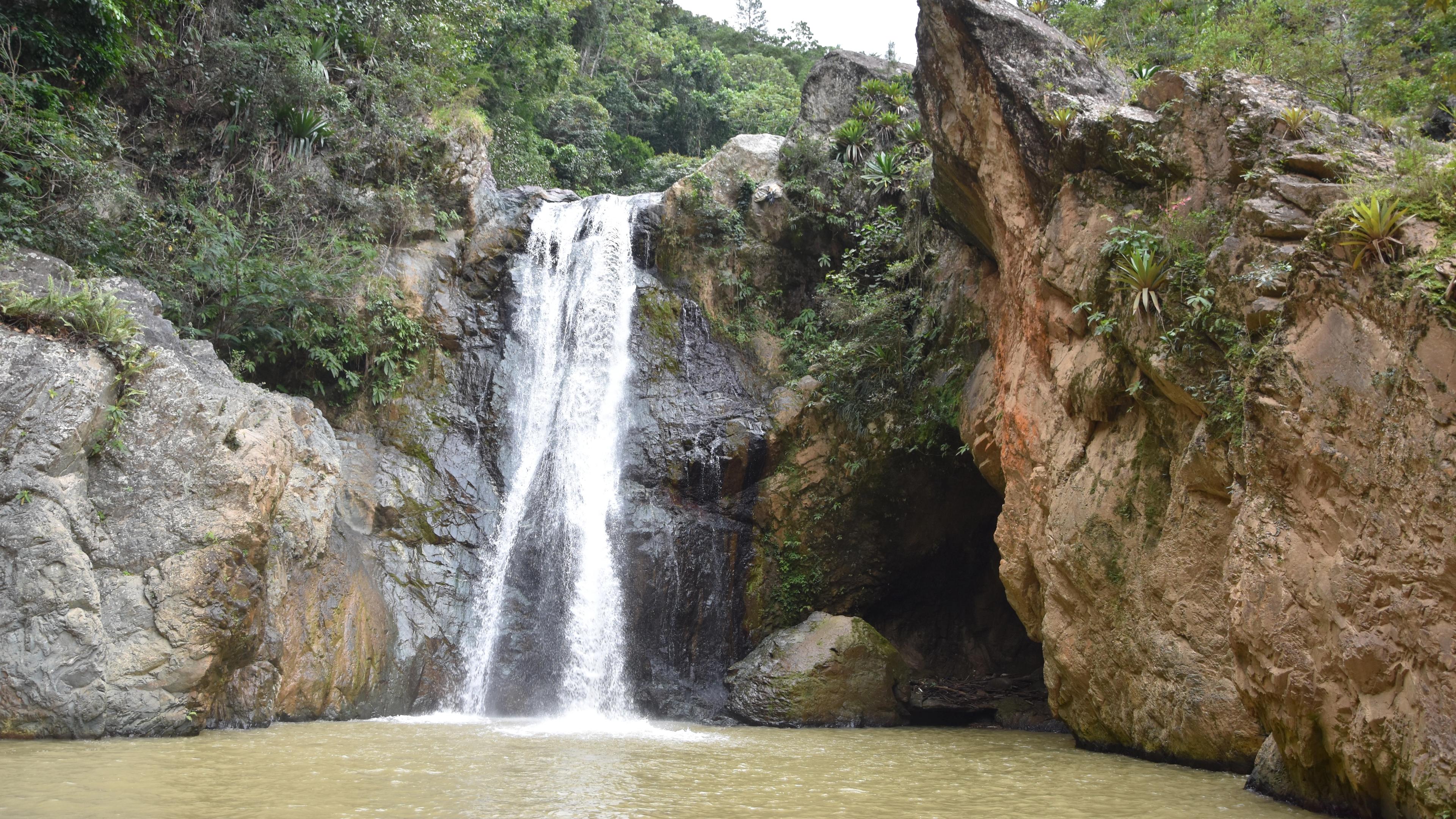
Mention the Dominican Republic and almost everyone pictures the same thing: a beach, a palm tree, an all-inclusive resort. But drive inland into the Cordillera Central and you find a completely different country — pine forests, whitewater rivers, waterfalls, coffee farms, and mountain air cool enough to need a jacket at night. Jarabacoa and Constanza are the heart of this other Dominican Republic, the nation's eco-tourism and adventure capital, and they run on a market that looks nothing like the coast. For the local businesses here — rafting outfitters, mountain lodges, coffee farms, adventure guides, and cabin rentals — a website is what turns "the Caribbean's best-kept secret" into a booked calendar.
Jarabacoa, known as the "City of Eternal Spring," sits around 500 meters up in the Cordillera Central with a mild 22°C climate year-round, and it's the gateway to Pico Duarte — at over 3,000 meters, the highest peak in the entire Caribbean. Constanza sits higher still, above 1,200 meters, cool enough that the surrounding hills have occasionally seen frost, and it's the country's agricultural breadbasket of strawberries, flowers, and vegetables. According to the official Dominican Republic tourism board, Jarabacoa is the country's premier ecotourism and adventure destination, offering a cool, natural alternative to beach resorts. Between them these towns offer whitewater rafting on the Yaque del Norte — the only commercial rafting river in the Caribbean — plus canyoning, paragliding, horseback riding, coffee tours, and hikes to waterfalls like Salto de Jimenoa and Salto Baiguate. This is adventure and nature tourism, not sun-and-sand, and it draws a fundamentally different visitor.
Here's the defining feature of the mountain market: a large share of it is Dominican. Jarabacoa and Constanza are the favorite getaway for families and weekenders from Santiago and Santo Domingo escaping the heat, which means a big part of the audience is searching in Spanish, deciding quickly, and coming for a weekend rather than flying in for a week. Layered on top is a smaller but valuable stream of international adventure travelers — the hikers, rafters, and eco-tourists who seek out Pico Duarte and the "Dominican Alps" specifically. This dual audience is the mountain market's defining web challenge: a rafting outfitter or a mountain lodge needs to speak to the Spanish-first domestic weekender and the English-speaking adventure traveler at once, because both are searching, and whoever ranks and looks trustworthy gets the booking. And unlike the intensely seasonal coast, the mountains draw visitors year-round — busier on weekends and holidays, but never truly closed — which rewards a web presence that works every month.
Adventure activities are high-commitment, high-research purchases. Someone booking a whitewater rafting trip, a two-day Pico Duarte trek, or a paragliding flight isn't making a casual impulse buy — they're weighing safety, reputation, price, and trust, and they do that weighing online. They read reviews, compare operators, look for evidence of professionalism and experienced guides, and want to understand exactly what they're signing up for before they commit. An operator whose only presence is a Facebook page and a phone number gives a nervous first-time rafter no reason to trust them over a competitor with a real website that shows the guides, the equipment, the safety briefing, and clear pricing. In adventure tourism especially, the website is where trust is built — and trust is what converts a browser into a booking for an activity that, by nature, requires the customer to feel safe.
The adventure-and-nature character of Jarabacoa and Constanza creates especially strong openings for particular business types:
• Adventure and tour operators. Rafting, canyoning, paragliding, Pico Duarte treks, and waterfall tours are the region's signature product, and the operators who rank for them and present themselves professionally capture both the domestic weekender and the international adventurer — exactly the approach we lay out for tour and excursion operators, with trust and clear booking as the priorities.
• Mountain lodges, cabins, and eco-resorts. Lodging here is independent and character-driven — ranches, cabins, boutique mountain hotels — and every one needs a direct-booking website to fill rooms without surrendering margin to platforms, especially for the weekend domestic market that books fast.
• Coffee farms and agritourism. The Cordillera's coffee plantations and Constanza's farms are a growing agritourism draw, and a website turns a working farm into a bookable experience for visitors and a storefront for its product.
• Restaurants and mountain dining. From Jarabacoa's hilltop parrilladas to Constanza's farm-to-table bistros, the restaurants findable on Google Maps with a real menu win the weekender deciding where to eat.
• Cabin and vacation rentals. The steady flow of domestic weekenders creates real demand for rentals, and a direct-booking site reaches them without platform fees.
The winning formula, tuned to the dual-audience, adventure-tourism reality:
• Genuinely bilingual, Spanish-forward. Unlike the coast's English-first tourism, the mountain market leans heavily Dominican, so Spanish comes first here — but the international adventure traveler makes real English pages essential too, built the way we describe in bilingual SEO, so both audiences find you in their own language.
• Trust-building, for high-commitment activities. For adventure tourism the site has to establish safety and professionalism — showing guides, equipment, experience, reviews, and exactly what an activity involves — because that's what convinces someone to book a raft trip or a summit trek.
• Fast on mobile. The weekender planning a quick escape and the traveler researching a trek both do it on a phone, and speed converts directly into bookings.
• Photo-forward, without the weight. The mountains sell on scenery — a raft in the rapids, a waterfall, a sunrise from Pico Duarte — but heavy galleries kill mobile speed, so image optimization matters.
• WhatsApp-connected, with deposits online — and this one is pointed. The mountains are cash-first, and ATMs in Jarabacoa and Constanza are known to run dry on busy weekends. The operator whose site lets a visitor secure a spot with an online deposit, using the tools in accepting online payments in the DR, removes real friction — alongside one-tap WhatsApp, Maps, and Instagram to start the conversation.
The mountain market has a real edge the coast lacks — year-round demand, a stable domestic base, and much lighter online competition than the saturated beach zones — but it comes with its own realities. The domestic weekend pattern means demand concentrates on weekends and holidays, so the business has to be findable and bookable exactly when everyone is searching at once. Adventure tourism carries a trust-and-safety burden that a website has to shoulder honestly, which means real content and real professionalism, not hype. And the terrain itself brings infrastructure quirks — variable connectivity, the cash-first economy — that make a fast, resilient, deposit-ready site more valuable, not less. None of this argues against building; it argues for building thoughtfully. The mountains reward businesses that present their adventures as the safe, professional, unforgettable experiences they are — because that's exactly what the visitor is trying to confirm before they book.
There's one more reason the timing favors mountain businesses that build now: online competition here is remarkably thin. The coastal tourism zones have had professional websites for years, and ranking among them is a hard fight. The mountains are different — a great many rafting outfitters, lodges, and tour operators in Jarabacoa and Constanza still run on nothing more than a Facebook page or a listing on a booking aggregator that takes a commission and owns the customer relationship. That means the valuable searches — "rafting Jarabacoa," "Pico Duarte trek," "cabañas Constanza," and their English equivalents — have few serious, well-built local sites competing for them. A properly built, genuinely bilingual website can reach the first page of Google for these terms far faster than the same effort would achieve on the coast, and because rankings compound over time, the operator who plants a flag now will be hard to displace later. In an under-served market with year-round demand, being early and being professional is a combination that pays off for years.
Web development is remote work, so a business in Jarabacoa or Constanza doesn't need a developer in town — it needs one who understands the Dominican market and the mountains' distinctive dual audience of domestic weekenders and international adventurers. That's exactly what we do at DR Web Studio: fast, bilingual, bookable websites for Dominican tourism businesses, with WhatsApp and local payments wired in and the first year of maintenance included. Whether you're filling rafts on the Yaque del Norte, cabins in the pines, or seats on a Pico Duarte trek, the site that builds trust and books both your audiences is the one that wins the mountains. Contact us for a free consultation and let's build it.