Business Tips
How Do Dominicans Actually Find a Local Business?
Oct 3, 2026
11 min read
consumer behaviourWhatsApp
Read More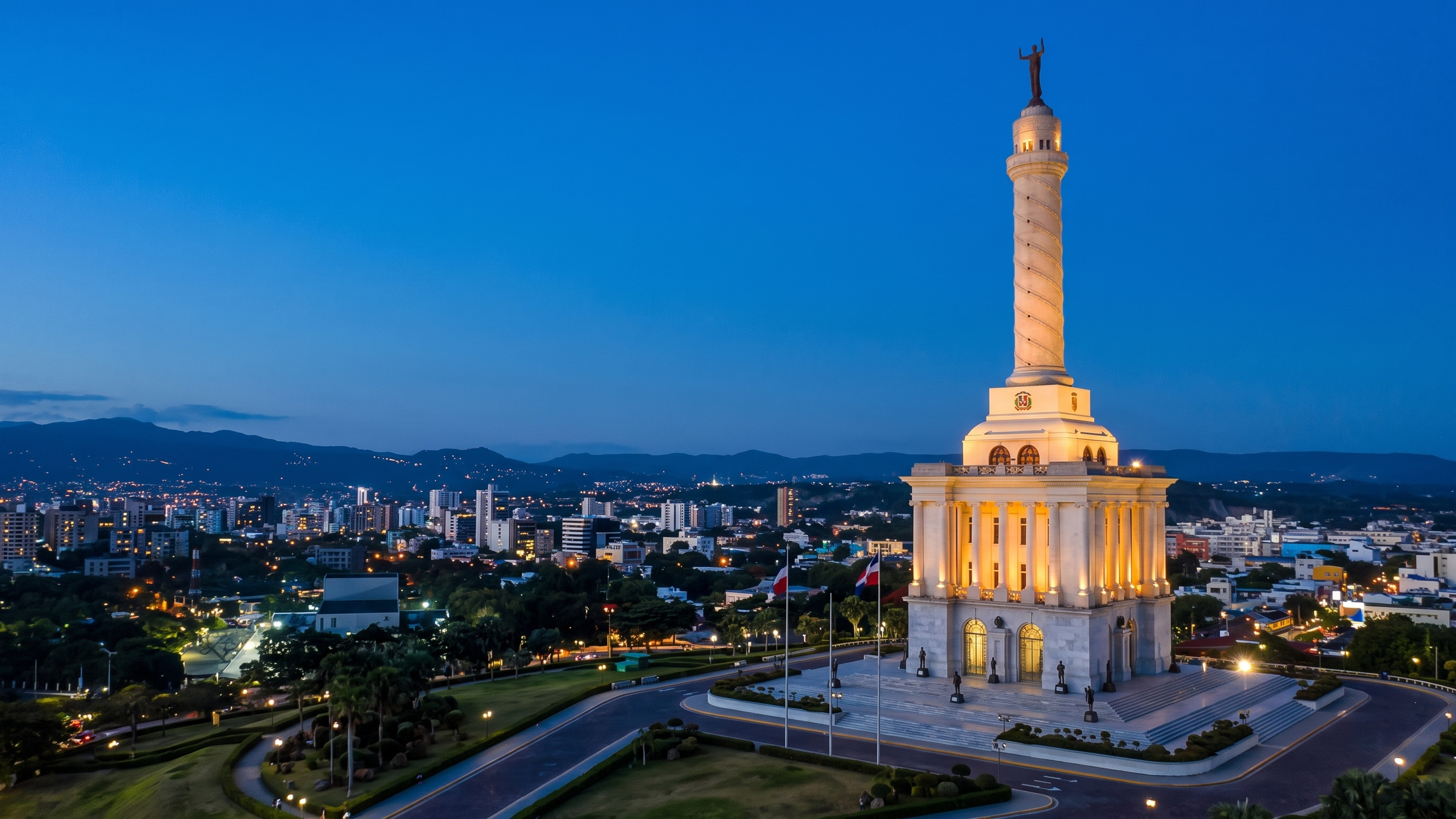
Every conversation about doing business online in the Dominican Republic seems to assume the same thing: that the customer is a tourist. Book a tour, reserve a room, rent a villa. But the country's second-largest city runs on a completely different engine. Santiago de los Caballeros is not a resort town — it's the industrial and commercial heart of the Cibao Valley, a metro area of well over a million people whose economy is built on manufacturing, agribusiness, professional services, healthcare, and education. For businesses here, a website isn't about selling sunsets. It's about credibility, lead generation, and reaching buyers who are companies, not vacationers. That changes everything about what the website needs to do.
Santiago is the largest Caribbean city that isn't a capital, with a city population around 771,000 and a metro area past 1.26 million. Unlike the coastal resort zones, it operates primarily as an economic engine rather than a tourism destination, which gives it a stability the beach towns don't have — its business doesn't evaporate in the off-season because there is no off-season. The province generates around 14% of the national GDP and anchors the Cibao industrial corridor, home to free-trade-zone parks that manufacture textiles, cigars, medical devices, electronics, and more. It has its own modern airport, Cibao International, with direct flights to the United States. This is a city of factories, clinics, universities, law firms, distributors, and agribusinesses — and every one of them has customers, partners, and talent to reach, most of whom now start that search online.
Here's the core distinction: a tourism website sells an experience to an individual who decides in minutes. A Santiago business website often sells to another business, and that buyer behaves nothing like a vacationer. They research carefully, compare vendors, evaluate credibility, and make decisions over weeks with multiple people involved. They're not looking for a pretty gallery and a "book now" button — they're looking for evidence that you're a serious, capable, trustworthy company worth a purchase order or a long-term contract. That means the website's job shifts from selling a moment to building confidence: clear descriptions of capabilities, proof of track record, specifications, certifications, case studies, and an easy path to start a conversation with a real person. The emotional impulse buy of tourism is replaced by the reasoned evaluation of B2B, and the website has to be built for that reasoning.
There's a specific and timely reason Santiago businesses should take their web presence seriously right now: nearshoring. As companies move manufacturing and services closer to the United States, the Dominican Republic — and Santiago's free-trade-zone corridor in particular — is actively courting that investment. The country recently sent a trade and investment roadshow through U.S. cities that drew executives from major firms including Google, Lenovo, and Lockheed Martin, with Santiago among the free zones showcased. When a U.S. company evaluates a Dominican supplier, contract manufacturer, logistics partner, or professional-services firm, the first thing they do is look it up — and a supplier whose website is outdated, Spanish-only, or nonexistent looks unready for international business, no matter how capable it actually is. In a moment when foreign buyers are actively looking, being findable and credible in English is a direct competitive advantage, and being invisible is a direct cost.
The B2B and professional character of Santiago's economy creates strong opportunities for particular business types:
• Manufacturers and free-zone suppliers. Companies seeking contract manufacturing, components, or export partners research suppliers online first. A professional, English-and-Spanish site with clear capabilities, certifications, and a real contact path turns Santiago's cost advantage into actual inquiries.
• Professional services. Law firms, accountants, consultants, engineering firms, and agencies serving the region's businesses live on credibility, and a serious website is the foundation of it. A referral will still look you up before they call.
• Healthcare and specialty clinics. Santiago is a regional medical hub serving the entire Cibao — the approach we detail for medical and clinic websites applies directly, with trust and easy appointments as the priorities.
• Agribusiness and distributors. The Cibao Valley's food-processing, packaging, and distribution firms sell to buyers across the country and abroad, and a clear, professional web presence is how modern B2B buyers vet a partner.
• Education and training. Universities, technical institutes, and training centers competing for students and corporate partners need websites that inform and convert, not just exist.
The formula that wins in a professional, B2B-heavy market is different from the tourism playbook, though some fundamentals carry over:
• Credibility first. The site's primary job is to make a serious company look serious — clean, professional design, real information, proof of capability. For a B2B buyer, a weak website raises doubt about the whole operation.
• Bilingual, with English as a business tool. In tourism, English serves visitors; in Santiago, English serves international commerce. A manufacturer or service firm courting U.S. nearshoring buyers needs genuine English pages, built the way we describe in bilingual SEO, because the buyer evaluating you reads in English.
• Fast and professional on every device. A decision-maker might first see your site on a phone between meetings and revisit it on a desktop during evaluation. It has to be fast and polished on both, and speed shapes whether they stay.
• Lead generation, not impulse booking. The goal is to start a qualified conversation — clear contact paths, inquiry forms, direct lines to the right people, and yes, WhatsApp, which is as central to Dominican business communication as it is to tourism, integrated the way we cover in connecting your site to WhatsApp and other channels.
• Content that demonstrates expertise. For B2B, content that shows you understand your field — capability pages, technical detail, case studies, answers to the questions buyers ask — is what builds the confidence that closes a deal, and what ranks for the specific searches serious buyers make.
Selling to a business market rather than a tourism one has real advantages — stability, larger contract values, less seasonality — but it comes with its own realities worth naming. B2B sales cycles are longer, so a Santiago website is a lead-generation and credibility tool that pays off over months, not an overnight booking machine; measured against tourism metrics it can look slow, when in fact it's doing a different and more valuable job. Trust matters more and takes more to establish, which means the site has to be genuinely professional rather than merely present — the bar is higher because the buyer is more discerning. And reaching the nearshoring opportunity specifically requires real English and real professionalism, not a token effort. None of this is a drawback; it's a reason to build deliberately. Santiago rewards the businesses that present themselves as the serious, capable operations they are — because in a B2B market, looking the part is a precondition for being considered at all.
It's worth noting Santiago isn't only a B2B market. The city has a large, prosperous middle class and a deep connection to its diaspora — Santiagueros living in New York, Boston, and beyond who send money home, buy property, and stay closely tied to businesses back in the Cibao. That creates a consumer-facing opportunity layered on top of the B2B one: real estate developers selling to diaspora buyers, retailers and restaurants serving a middle class that shops and researches online, and services that families abroad arrange for relatives at home. This audience behaves more like the online consumer than the B2B buyer, but it shares the same expectation of a professional, bilingual, mobile-fast site — a diaspora buyer evaluating a Santiago apartment from Queens is every bit as remote and research-driven as a foreign tourist, and every bit as easily lost to a competitor whose website inspires more confidence. A Santiago business that serves both the B2B and the diaspora-consumer market with one well-built site is reaching two valuable audiences the coast doesn't have.
Web development is remote work, so a company in Santiago doesn't need a developer down the street — it needs one who understands both the Dominican market and how B2B and professional buyers actually evaluate a business online. That's exactly what we do at DR Web Studio: fast, bilingual, credibility-building websites for Dominican companies, with lead generation and WhatsApp wired in and the first year of maintenance included. Whether you're a manufacturer courting nearshoring buyers, a professional firm building its reputation, or a clinic serving the Cibao, the website that makes you look as capable as you are is the one that wins the business. Contact us for a free consultation and let's build it.