
Dominican Republic
We Tested 200 Dominican Business Websites. Almost All Are Slow on Mobile.
Oct 2, 2026
9 min read
data studyweb performance
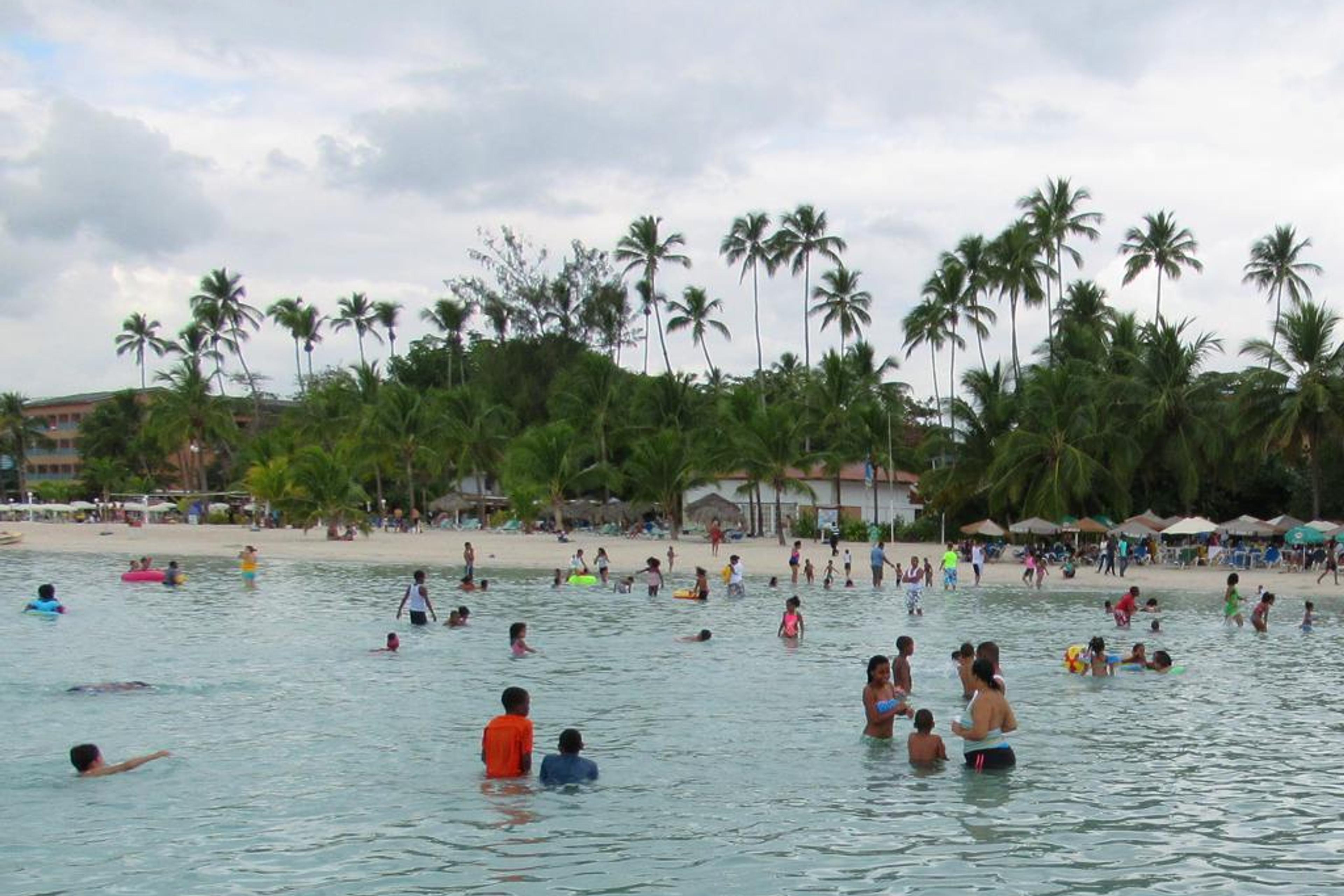
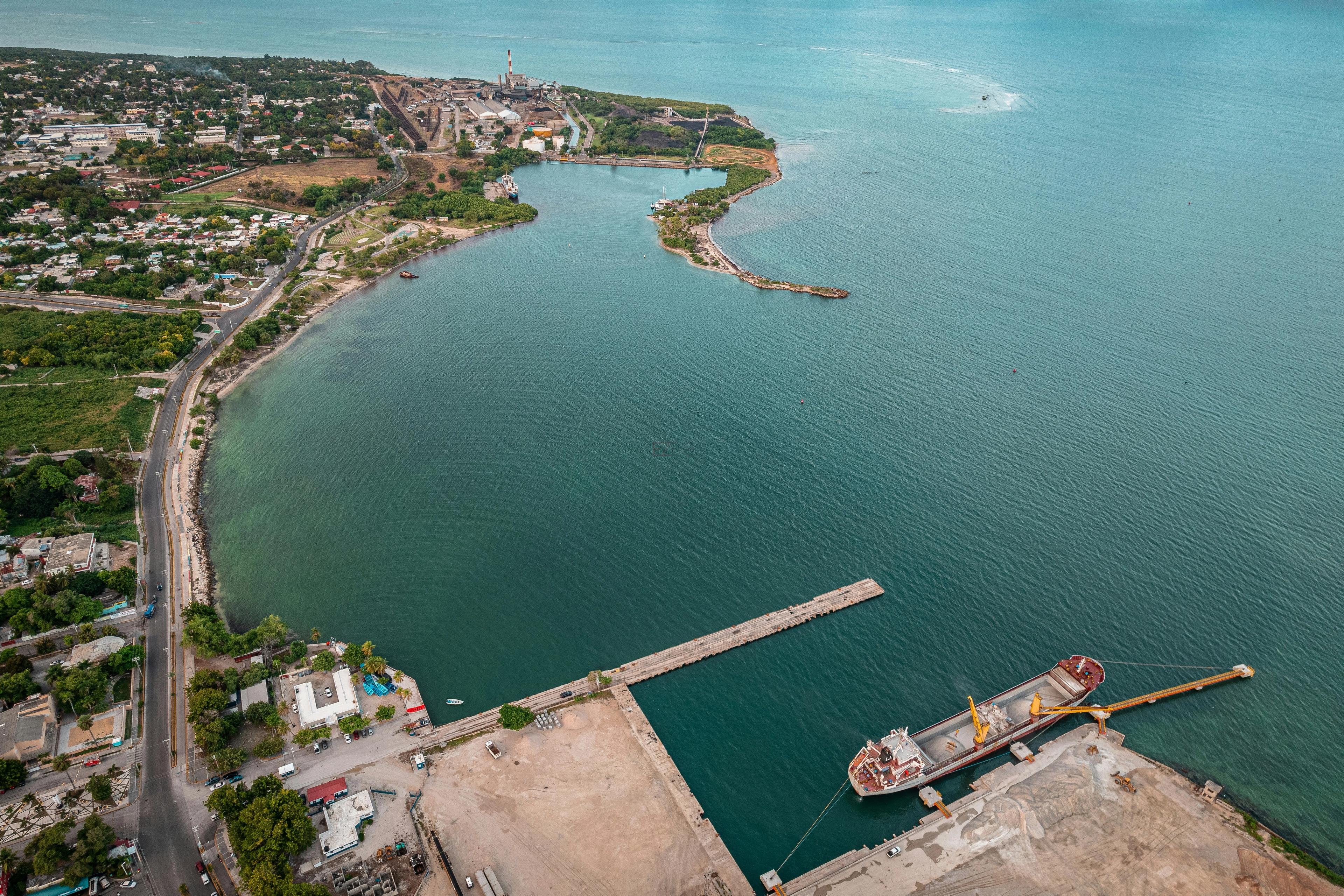
Read MoreLa Romana and Bayahíbe sit on one of the most valuable tourism corridors in the Caribbean — cruise ships docking at La Romana's port, the diving capital of the country in Bayahíbe with Catalina and Saona at its doorstep, Casa de Campo's luxury visitors, and a steady resort population. Yet compared to Punta Cana, remarkably few local businesses here have websites that actually capture this traffic. That's not a problem; it's an opening.
The formula matches the east-coast market, with local emphasis: bilingual by default (English for the cruise and dive market, Spanish for the local and regional market — done properly, as we explain in bilingual SEO); fast on mobile, because every one of those visitor streams is browsing on a phone; WhatsApp-connected, since that's where reservations actually close — wire it up correctly; and photo-forward, because Bayahíbe sells with images — optimized so beauty doesn't cost you speed, per our guide on image optimization for tourism sites.
In Punta Cana, ranking for tourism keywords means fighting hundreds of established sites. In the La Romana–Bayahíbe corridor, many valuable searches — in English especially — have only a handful of serious local competitors. For a tour operator, dive shop, restaurant, or transport service here, a properly built bilingual site can reach page one for meaningful keywords in months rather than years. That window won't stay open forever.
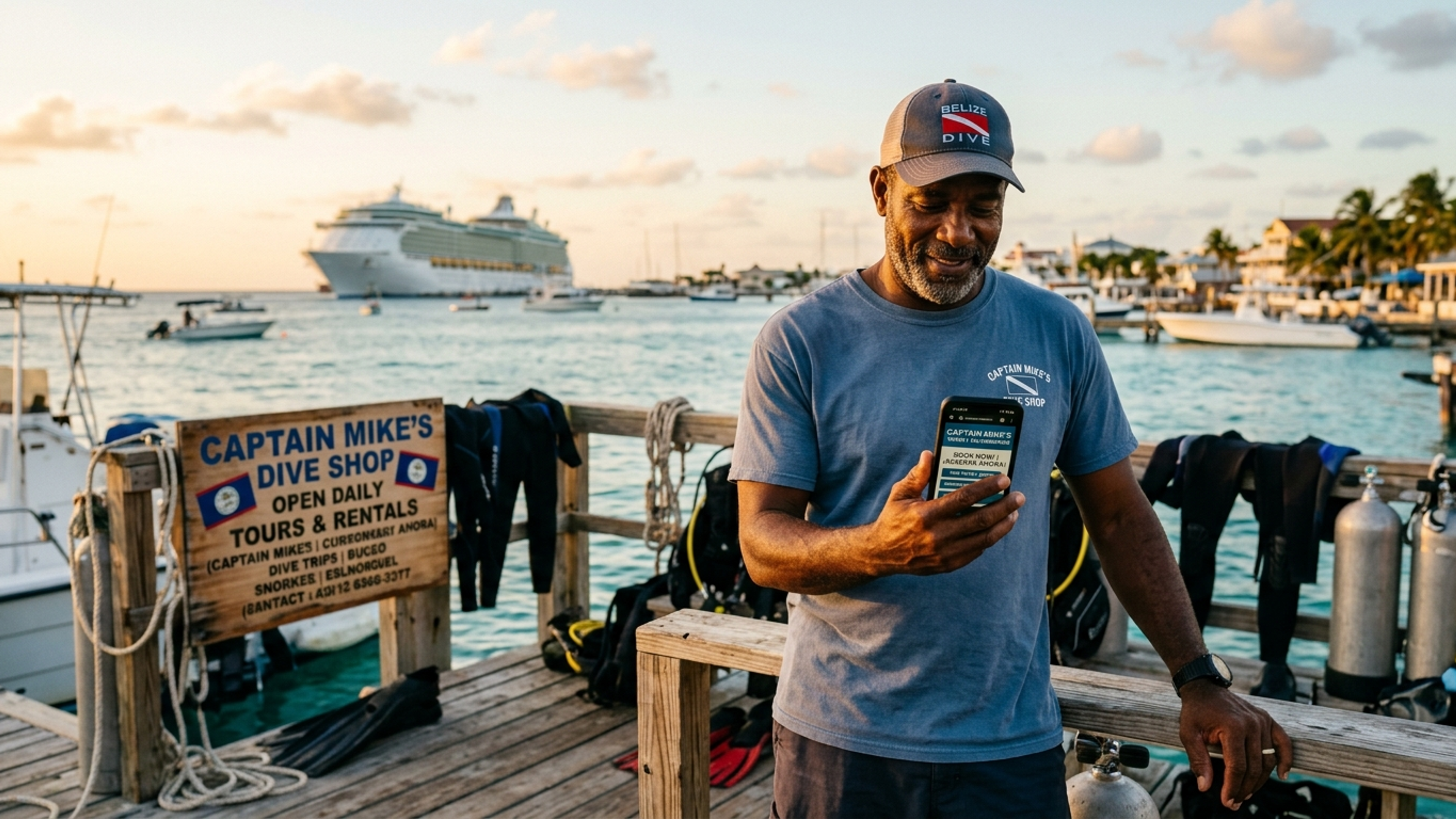
The corridor's online gap isn't uniform — some business types have almost no serious digital competition at all. Dive shops and water-sports operators in Bayahíbe sit on world-class sites (Saona, Catalina Wall, the St. George wreck) that divers research by name in English, German, and French; a shop with real content about those sites can own that research. Private transport and transfer services between La Romana's port, the airport, Casa de Campo, and Bayahíbe are searched constantly by cruise passengers and villa guests — and most operators here are reachable only through WhatsApp numbers passed around in Facebook groups. Restaurants in Bayahíbe's village serve a captive evening market of divers and independent travelers who all check Google Maps at sunset. Villa and apartment rentals around Dominicus need the legitimacy a professional site provides before a foreign guest wires a deposit. And fishing charters, catamaran outfits, and Casa de Campo–adjacent services sell high-ticket experiences to exactly the customer who researches most before buying.
In each case the pattern is identical: high-intent searches already happening, in multiple languages, with a handful of thin competitors. The first professional site in each niche tends to take the traffic and keep it.
La Romana's port publishes its ship schedule far in advance, and that predictability is an advantage no other channel gives you. Passengers research their port day one to three weeks before arrival — which means your excursion, restaurant, or transport pages need to be indexed and ranking before those research windows open, and your content can speak directly to the ship-day format: duration guarantees ("back at the pier by 3:00 pm" answers the question every cruise passenger actually has), pickup logistics at the terminal, and group pricing. A site structured around the cruise visitor's real constraints converts dramatically better than a generic tours page — and it compounds, because every season's ships bring a fresh audience searching the same terms your pages already rank for.
Three habits hold this market back. Relying on resort concierges and street promoters — they take commissions the way OTAs do, and they disappear when the guest does their own research online and finds a competitor instead of you. English-only or Spanish-only presence — the corridor's traffic is genuinely multilingual, and a single-language site concedes the other half of the market. And borrowed platforms instead of owned ones — a WhatsApp number in a Facebook group works until the group dies or the algorithm buries you; a website you own compounds in value every month it ranks. The fix for all three is the same asset: your own fast, bilingual site, built once, working around the clock.
A corridor business doesn't need a sprawling site to start winning — it needs five pages that each do one job perfectly, in both languages. The homepage answers in five seconds what you do, where you are, and why you're trustworthy, with WhatsApp one tap away. The offer pages — one per tour, service, or menu section, never a combined list — carry the prices, photos, and details that comparison-shopping visitors actually evaluate, and each ranks for its own search phrase. The about/proof page does the legitimacy work this market demands: real photos of your team and equipment, certifications, years operating, and reviews with dates. The practical-information page is the corridor's secret weapon: how to reach you from the cruise terminal, from Bayahíbe village, from Casa de Campo; parking; what to bring; pickup zones — the logistical questions every visitor Googles and almost no local business answers. And the contact page offers every channel — WhatsApp first, plus phone, email, and the embedded map — because different nationalities reach for different tools. Five pages, properly built, will outperform a fifty-page site assembled without this logic; you can always grow from there, and the content-preparation guide walks through gathering the raw material for each.
Timing matters here too: the corridor's cruise calendar and high season mean a site should be live and indexed before the heavy months arrive, and Google typically needs several weeks to start ranking new pages for meaningful terms. Building in the quiet months isn't just convenient — it's the difference between your first high season with a website and your first high season still waiting for one. Combine that with the thin local competition described above, and early movers in this corridor get a compounding advantage that later entrants will pay years of effort to claw back. Every month a page ranks, it collects reviews, backlinks, and booking history that make it harder to displace — which is why the question isn't whether the corridor's businesses will eventually build proper websites, but which of them will have spent those years collecting the customers.
Pricing is the same as the national market: around US$400 for a professional landing page, US$950 for a complete bilingual business website — details in what a website costs in the DR in 2026. And the step-by-step process for commissioning one without risk is in our guide to ordering a website for your local business.
DR Web Studio builds fast, bilingual, booking-ready websites for tourism businesses across the east coast — La Romana and Bayahíbe very much included. Contact us for a free consultation and let's capture the traffic already sailing past your door.