E-commerce
WooCommerce vs Shopify vs Custom: Which Is Right for Your Dominican Store?
Jun 20, 2026
9 min read
WooCommerceShopify
Read More
Most guides about accepting online payments are written for businesses in the United States or Europe. They tell you to "just add Stripe" or drop in a PayPal button, collect your money, and move on. Then a Dominican business owner follows that advice, builds a beautiful online store — and discovers that Stripe won't approve a Dominican company, and that the local customers they were counting on would rather pay with a Dominican card than dig out a foreign PayPal login.
Getting paid online in the Dominican Republic works differently than it does almost anywhere the popular tutorials are written for. The good news: the local options are mature, secure, and trusted by Dominican shoppers. You just have to know which ones are real for a business based here — and which of the famous international names are traps. This guide walks through every option: the local gateways AZUL, CardNET, and VisaNet, plus where PayPal and Stripe genuinely fit.
If you haven't built your store yet, start with our broader guide on how to start selling online in the Dominican Republic — this article goes deep on just one piece of that puzzle: the payment layer.
In most countries, a single global processor handles everything end to end. In the Dominican Republic, card payments run through a small set of local acquirers (adquirientes) — the companies licensed to process Visa and Mastercard transactions on behalf of merchants and deposit the money into a Dominican bank account. This is the part international tutorials skip entirely, and it is the single most important thing to understand before you build.
It matters because Dominican shoppers overwhelmingly want to pay this way. Card use keeps climbing — according to the Banco Central, debit cards in circulation rose roughly 9% year over year heading into 2026, and electronic payment accounts were the fastest-growing part of the payment system, up 31.3% in the first quarter of 2026 alone. A store that can't take a local card is leaving money on the table with every visit.
Two practical consequences flow from the acquirer model:
These are the real options for a business domiciled in the Dominican Republic. All of them support 3D Secure (the bank-side identity check that protects you against fraudulent chargebacks) and handle PCI-DSS card-data compliance so you never store card numbers yourself.
AZUL is the most widely used gateway in the country, operated by Servicios Digitales Popular, a subsidiary of Banco Popular Dominicano. Launched in 2014, it processes Visa, Mastercard, Discover, and Diners Club, and Dominican shoppers recognize and trust its checkout. Its product range is the broadest:
AZUL also brought Shopify to the Dominican market with local-currency settlement, and it has integrated a PayPal button for merchants who want to capture international shoppers too.
CardNET is the largest electronic-payments company in the country and one of the top 20 acquirers in Latin America, with more than 15 years of operation. It accepts all the major card brands and works with every financial institution in the country, which makes it a safe default for broad coverage. CardNET offers a virtual POS, installment-payment support (useful if you sell higher-ticket items customers want to pay in cuotas), and — notably — the most robust WhatsApp payment assistant of any local gateway, built directly into the conversation. Plugins exist for WooCommerce, PrestaShop, and Magento.
VisaNet Dominicana is the third traditional acquirer. As the name suggests, its network is focused on Visa transactions. It's a solid option, but because it processes Visa rather than the full brand range, most stores that want one provider for everything lean toward AZUL or CardNET, and use VisaNet where an existing banking relationship points them there.
Beyond the big three, gateways like PortalDom (built on CyberSource) target higher-volume or international-leaning stores: faster settlement (often around 24 hours versus 48–72 for the others), stronger fraud tooling, multi-currency flexibility, and better support for Apple Pay and Google Pay — which, frankly, the local banking ecosystem still supports unevenly. For most small and mid-size Dominican stores, though, AZUL or CardNET is the right starting point.
PayPal is the most misunderstood option for Dominican businesses, so let's be precise. Good news first: you can withdraw a PayPal balance to a Dominican bank account. PayPal now supports local-currency withdrawals straight from your wallet to a local bank (a standard transfer can take up to seven business days), and through a long-standing alliance with Banco Popular you can link your PayPal and Banco Popular accounts and withdraw your balance in Dominican pesos. Banreservas works as a destination too.
The catch is in the fees and timing, not the access. Withdrawing isn't instant or free — the Banco Popular route, for example, charges a flat fee of about US$15 per withdrawal, and converting currency carries a percentage fee on top — so PayPal suits batching larger amounts more than clearing lots of small transactions. And most importantly, the majority of Dominican shoppers still prefer to pay with a local card through a gateway they recognize, like AZUL or CardNET, rather than reaching for PayPal at all.
That's why PayPal works best as a complement, not a foundation. If a meaningful share of your customers are international tourists or members of the Dominican diaspora abroad, offering PayPal alongside a local gateway captures sales you'd otherwise lose. But for selling to customers inside the country, keep a local gateway as your primary checkout and let PayPal be the extra option, not the main one.
Stripe is the processor every developer reaches for by habit, and it is genuinely excellent — but Stripe does not officially support businesses based in the Dominican Republic. The country isn't on Stripe's list of supported merchant locations, and Stripe's coverage across Latin America is limited.
The workaround you'll see advertised is to incorporate a company in the United States (via Stripe Atlas or similar services) and run payments through that U.S. entity. It's technically possible, but for a Dominican business selling mostly to Dominican customers it creates real problems: you now have a foreign company to maintain, your settlement happens abroad, and your local tax and e-invoicing obligations get tangled — you still owe Dominican taxes on sales to customers in the country. For the vast majority of local stores, a Dominican gateway is simpler, cheaper to operate, and more trusted at checkout. Reach for the U.S.-entity route only if you have a specific, deliberate reason to be billing internationally.
There's no single best processor — there's the right one for how you actually sell. A few honest rules of thumb:
You don't have to pick only one. Offering more than one payment option measurably lifts conversion — start with a single gateway and add others as you grow.
This is where a generic developer and a developer who knows the Dominican market diverge. Integrating a local gateway is not the same as dropping in a Stripe snippet. Expect the following:
Pricing varies by contract and volume, but the shape is consistent: a monthly service fee (AZUL's, for example, commonly runs around RD$2,500), plus a per-transaction cost that's typically a small percentage plus a fixed fee. Some merchants report effective rates in the 4–6% range depending on their setup, so it's worth negotiating against your projected volume. Settlement timing is usually 48–72 business hours for AZUL and CardNET, and faster (around 24 hours) for PortalDom. Factor both the fees and the cash-flow timing into your pricing.
No law forces you to use a local processor. But the moment you sell to customers in the Dominican Republic, you're responsible for reporting and charging the appropriate taxes on those sales, and the country's electronic-invoicing rules continue to roll out. This is genuinely easier to manage when your payments settle through a local gateway into a local account, with clean records — another quiet reason the local route beats the offshore workaround for most stores. (We cover the broader legal and logistics picture in the selling-online pillar guide.)
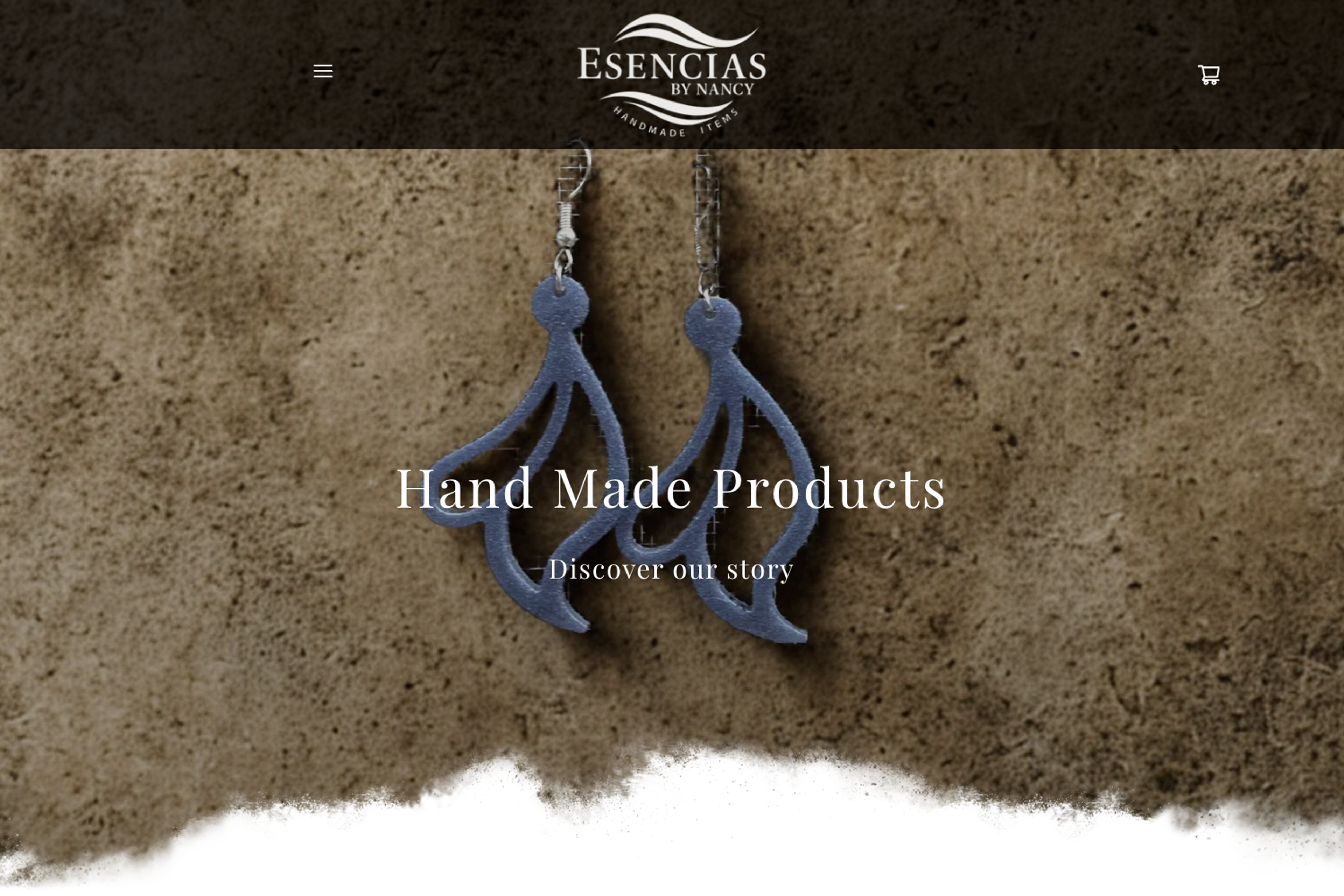
At DR Web Studio, we build online stores on a modern Next.js stack and integrate the right Dominican gateway directly into the checkout — handling the API integration, 3D Secure, tokenization, and PCI-safe checkout flow so you don't have to think about any of it. We've done exactly this for real Dominican sellers, like the bilingual store behind our Esencias by Nancy e-commerce case study, and we can wire payment links into your WhatsApp, Instagram, and Google presence so you sell everywhere your customers already are.
If you're trying to figure out the right payment setup for your store — or you've hit a wall with one that isn't working — get in touch for a free consultation. We'll tell you honestly which gateway fits your business, what integration will involve, and how to start accepting Dominican cards the right way.