Business Tips
How Do Dominicans Actually Find a Local Business?
Oct 3, 2026
11 min read
consumer behaviourWhatsApp
Read More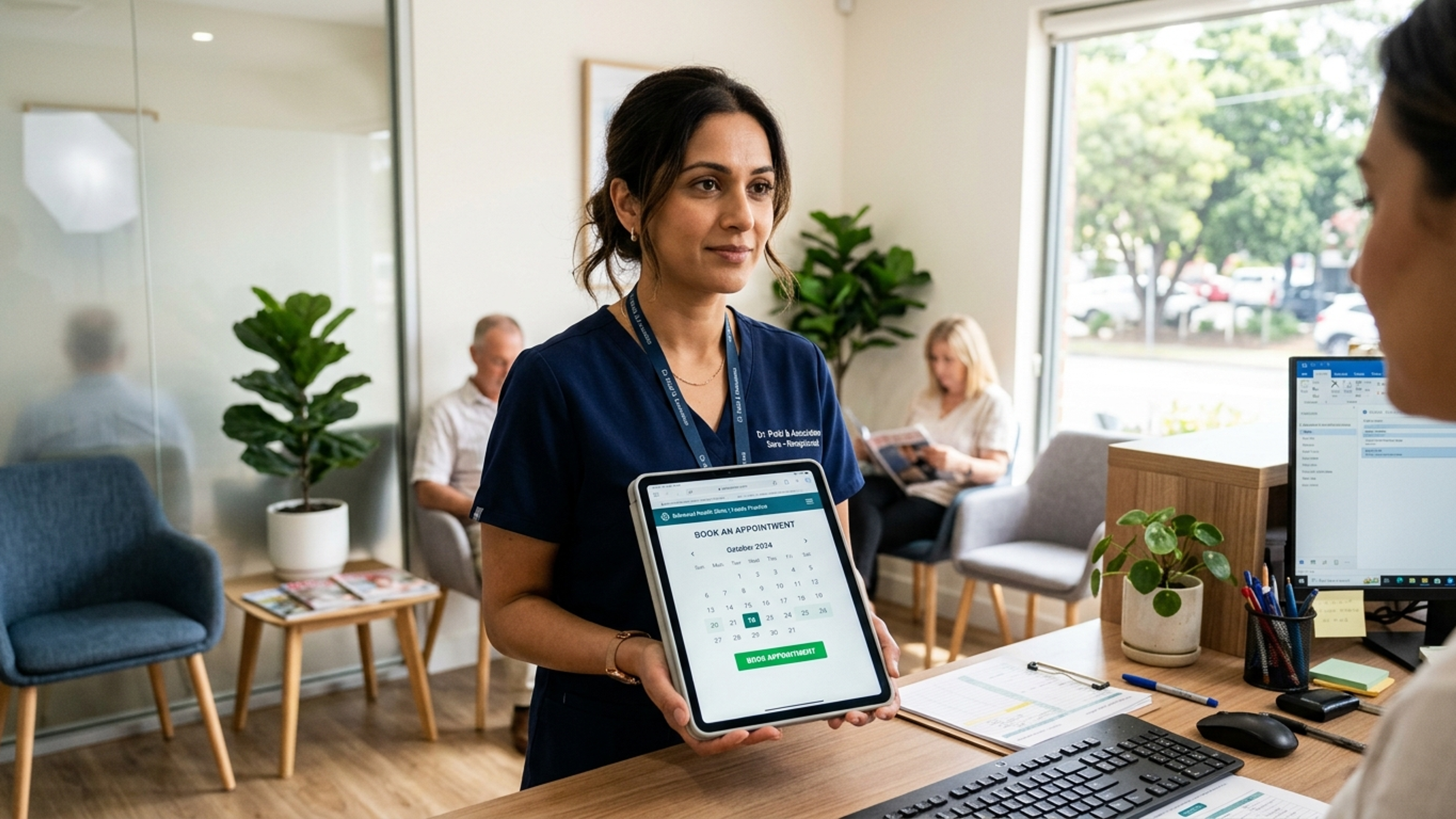
Healthcare is the last industry in the Dominican Republic still running largely on referrals and Instagram — and the first where patients have quietly changed how they choose. Before booking with a doctor, dentist, or clinic, today's patient searches the name, reads the reviews, checks the credentials, and forms a trust judgment from a screen. A practice without a professional website isn't invisible in that process; it's present and losing, judged by an unclaimed Google profile and a Facebook page last updated two years ago. Here's what a medical website needs to do in the DR in 2026 — and the genuinely large opportunity most practices are missing.
A patient can't evaluate your clinical skill from a website — so they evaluate everything they can: how professional the site looks, how clearly it explains, how easy it is to reach you. Stanford's web-credibility research found that people judge a site's trustworthiness first and foremost by its visual design, before reading a word — and no vertical amplifies that effect like healthcare, where the visitor is often anxious, the stakes are personal, and "does this feel legitimate and current?" is the real question behind every click. A dated, slow, or broken-on-mobile site doesn't read as a busy doctor; it reads as a practice that doesn't attend to details — precisely the inference no clinician can afford.
• Real credentials, prominently. Degrees, specialty certifications, professional-society memberships, years in practice — with the documents' issuing institutions named. Patients verify; make verifying easy.
• Real faces and places. Photos of the actual doctors, the actual team, and the actual facilities. Stock photography in healthcare actively damages trust — patients recognize it instantly and wonder what's being hidden.
• Clear service pages, one per treatment. A page for each major procedure or service — what it is, who it's for, what to expect, recovery, and honest answers to the questions patients are afraid to ask. These pages do double duty: they convert anxious visitors and they're what ranks when someone searches "implantes dentales Punta Cana" or "dermatólogo Bávaro."
• Reviews, embedded and answered. Patient reviews from Google, displayed with dates, with professional responses — including to the imperfect ones, handled gracefully.
• Location, hours, and emergency guidance one tap from anywhere, connected to an accurate Google Business Profile — if the practice doesn't appear on the map, start with why businesses don't show up on Google Maps.
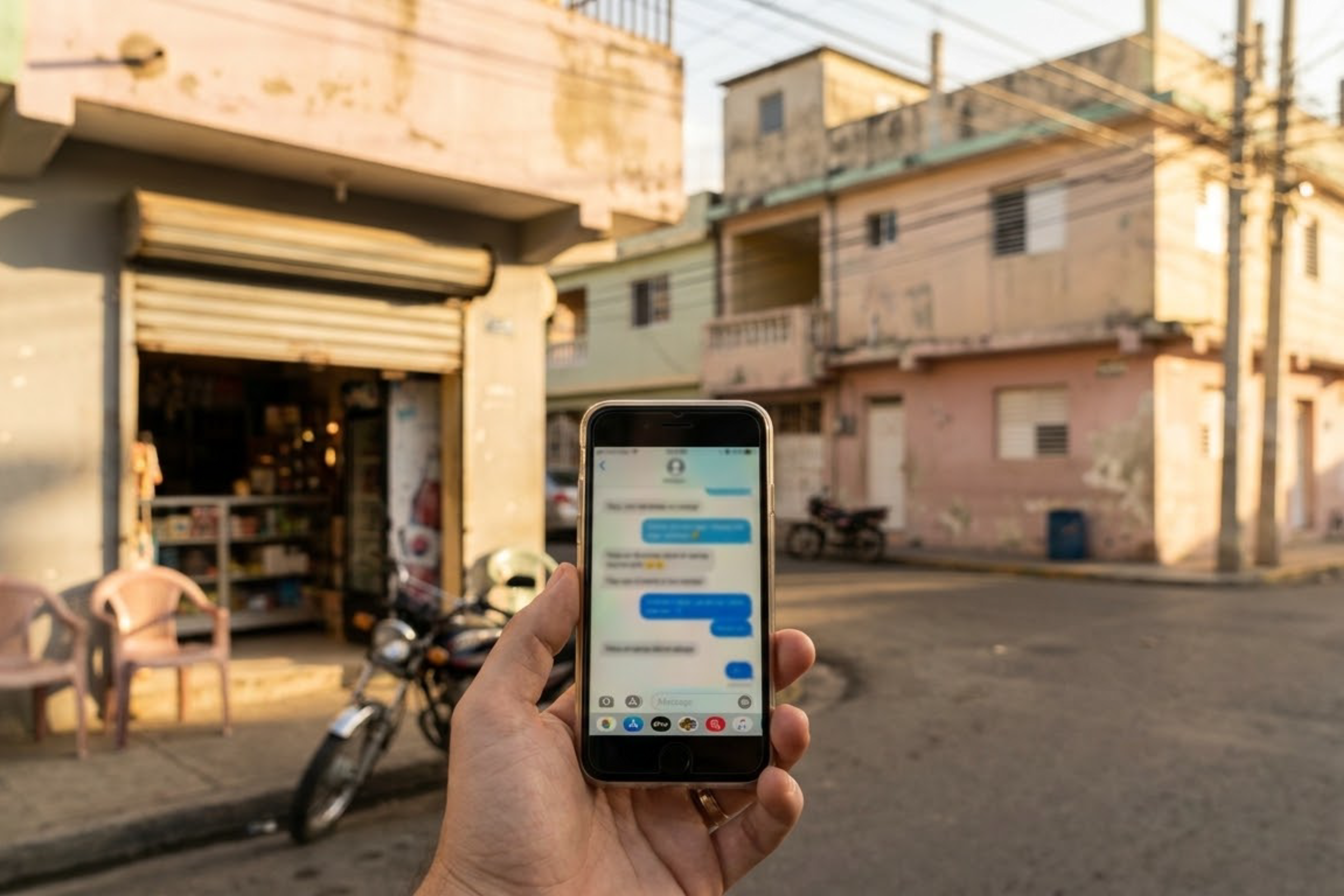
In the Dominican Republic, the appointment request happens on WhatsApp — patients expect it, and a clinic reachable only by phone during office hours loses bookings to one that answers a message at 9 pm. The website's job is to make that one tap from every page, ideally with structured prompts ("Hola, quisiera una cita con…") that speed the front desk's triage — the full integration playbook is here. Two professional notes, though. First, set response expectations on the site ("we reply within business hours") so the channel builds trust rather than testing it. Second, keep clinical matters out of the marketing site: WhatsApp is for scheduling and general questions, and the site should say so plainly — a discretion that patients read, correctly, as professionalism.
The Dominican Republic has a growing medical and dental tourism market: international patients — heavily from the US, Canada, and the diaspora — traveling for dental work, cosmetic procedures, and treatments priced far below their home markets, often combined with a Punta Cana vacation. These patients do all of their diligence online, in English, and their checklist is specific: the procedures offered with transparent price ranges, the doctors' verifiable credentials, before-and-after galleries, what a treatment trip looks like logistically (how many visits, how many days, where to stay), and how to have a real consultation before flying. The practices that answer those questions in properly built English pages — genuinely bilingual, not widget-translated — are competing for high-value patients with remarkably little local competition, because almost no DR practice has built this content seriously. For a dental clinic or specialist in the east of the country, this is the single largest growth lever a website can pull.
Beyond service pages, the medical practices that dominate search publish answers: "how long do dental implants last," "what to expect after LASIK," "when should a mole worry you." Each well-written, honest answer page ranks for questions your future patients are already Googling, demonstrates expertise in the most credible way possible — by teaching — and funnels readers to the relevant service page. Health content carries a special obligation to be accurate and appropriately cautious, which is exactly why it works: in a search landscape full of junk, a real clinician's clear answer stands out to patients and to Google alike. One or two pages a month, in both languages, compounds within a year into the region's reference site for your specialty.
Four patterns recur across the practices we've evaluated, and each is fixable. Running the practice on Instagram alone. Social channels build familiarity, but a patient ready to book searches Google — and an Instagram grid can't rank for "ginecólogo Bávaro," can't hold your credentials in a verifiable format, and can't be cited when a relative asks "send me their website." Stock photography. Smiling models in white coats are instantly recognizable as not-your-clinic, and in a trust-critical vertical that recognition costs more than having no photo at all; one afternoon with a local photographer solves it permanently. Total price opacity for elective procedures. Clinical pricing is often genuinely variable, but medical-tourism and elective patients compare on published ranges — "implants from US$X" — and practices that publish honest ranges enter shortlists that opaque competitors never see. And the abandoned site. A doctors page listing a physician who left two years ago, or hours that predate the pandemic, tells patients the practice doesn't maintain what it publishes — an inference they extend, fairly or not, to everything else. The common thread: in healthcare, every online detail is read as a proxy for clinical care. Tend the proxies. A quarterly half-hour review — team page current, hours right, prices reviewed, newest reviews answered — costs less than a single lost patient and keeps every proxy pointing the right way. Put it on the calendar the way you'd schedule equipment maintenance, because that's exactly what it is: maintenance on the machine that brings patients through the door. If no one on staff owns that habit, fold it into your website maintenance plan — a good developer handles the technical half and prompts you for the human half, which is precisely how our maintenance service works with the clinics and consultorios we support across the country today. The first year of that plan is included with every site we build.
A professional medical website — trust layer, service pages, WhatsApp scheduling, bilingual content — runs around US$950 in the Dominican market, with the full pricing picture in what a website costs in the DR in 2026 and the safe commissioning process in our step-by-step guide. Against the lifetime value of even a handful of new patients — let alone a single international dental case — the arithmetic is not close. The real cost in this vertical is the one being paid invisibly right now: every week, patients who searched, judged, and quietly booked elsewhere.
DR Web Studio builds fast, bilingual, credibility-first websites for professionals and clinics — with the trust layer, the WhatsApp scheduling flow, and the English-language medical-tourism content this market rewards. If your practice is ready for a website that works like a good front desk — professional, warm, and always on — contact us for a free consultation.