Dominican Republic
We Tested 200 Dominican Business Websites. Almost All Are Slow on Mobile.
Oct 2, 2026
9 min read
data studyweb performance
Read More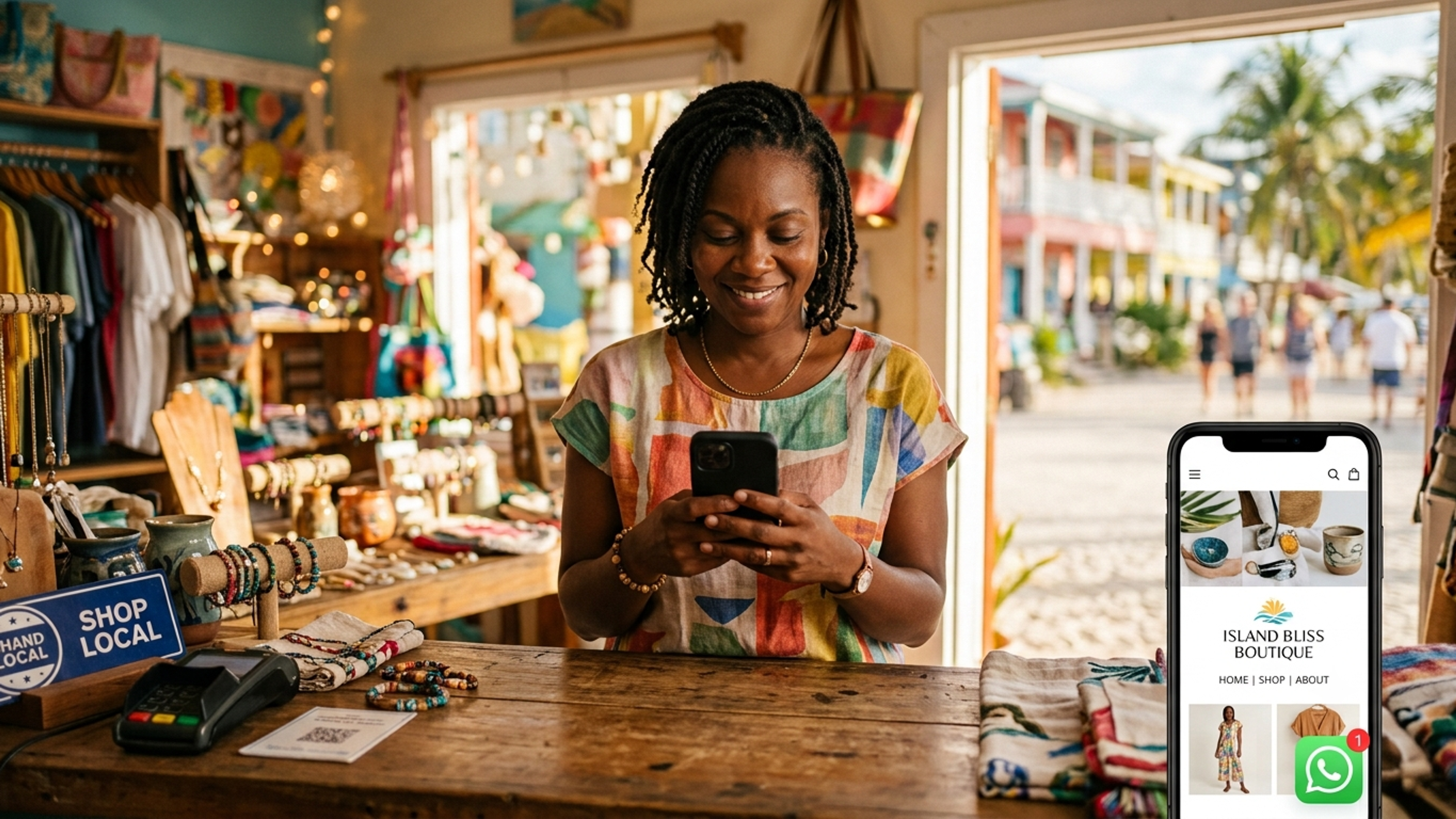
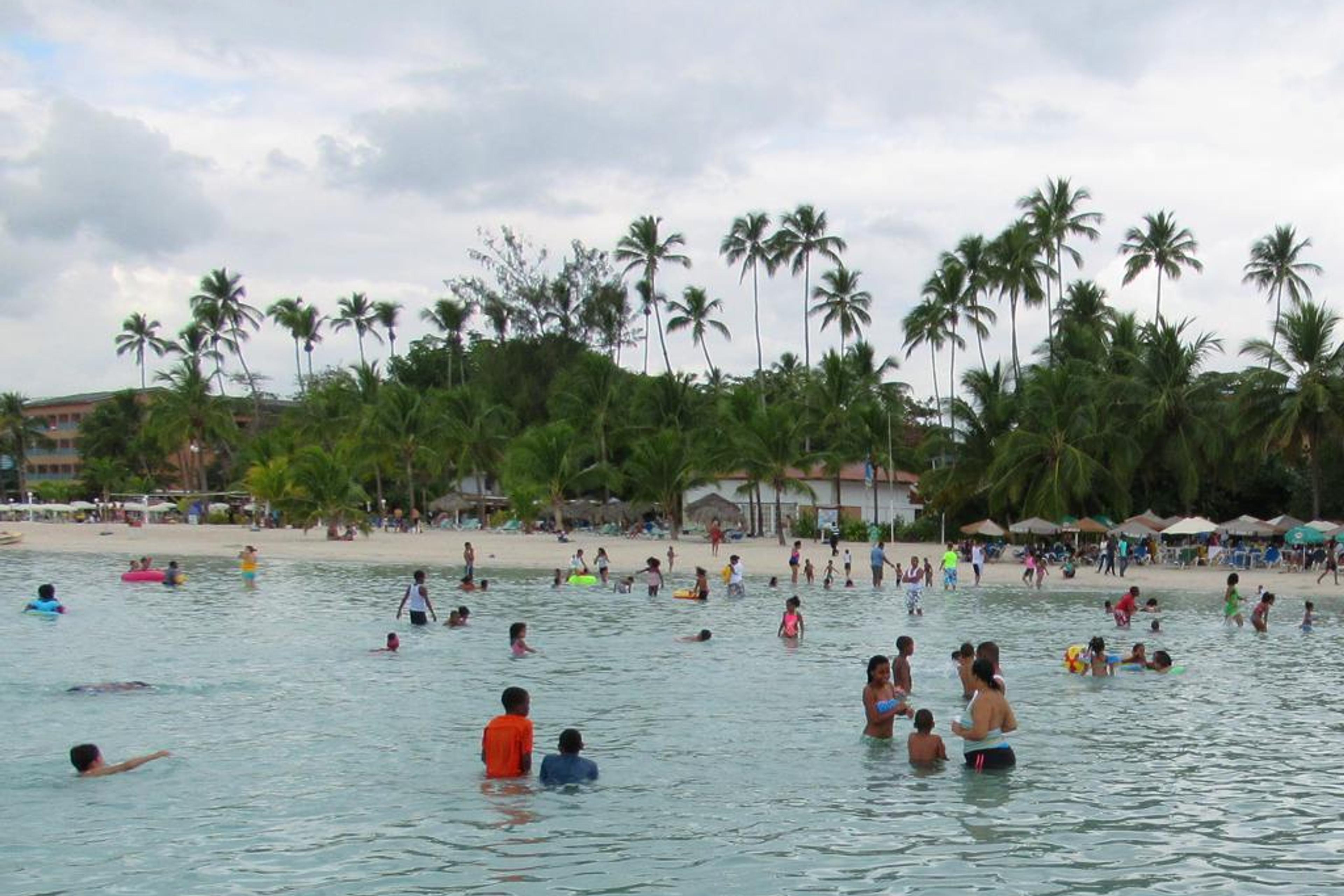
Bávaro is where most of "Punta Cana's" actual business happens — the hotels along the beach strip, the plazas, the tour desks, the restaurants and clinics serving both a huge resident community and millions of visiting tourists. Yet when local businesses search for web design, most of the advice they find is generic. Here's what a Bávaro business specifically needs from its website in 2026.
Bávaro's market is split in a way few places are: international tourists researching from abroad in English (and often other languages), and a large, fast-growing local and expat community searching in Spanish for everyday services. A website that speaks only one language is invisible to half its market. That's why the foundation of good web design in Bávaro is genuinely bilingual content — written for each audience, not machine-translated — with the technical setup that lets Google rank each version independently. We cover exactly how that works in bilingual SEO: ranking in English and Spanish.
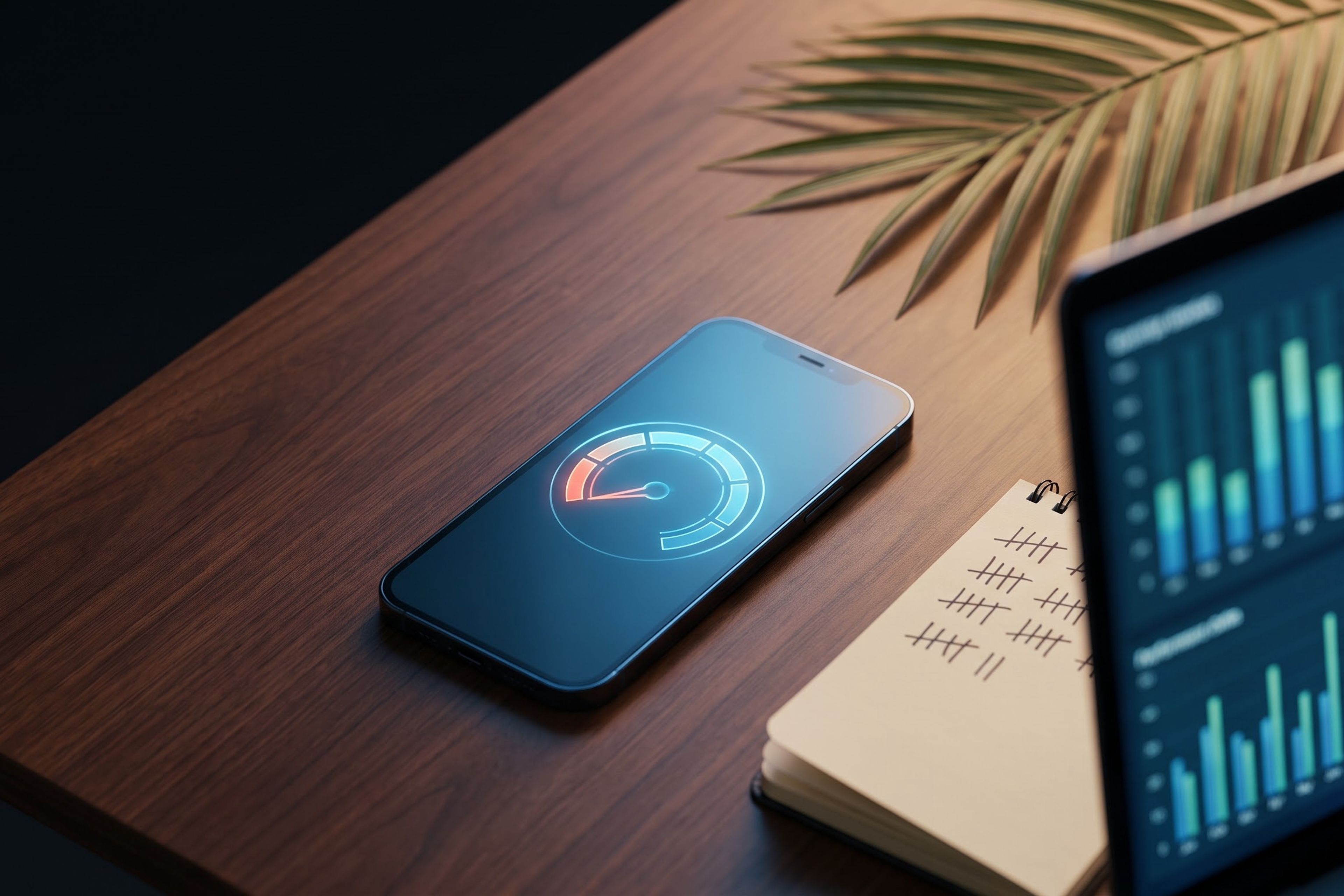
Your customers in Bávaro are on phones — tourists on hotel Wi-Fi and roaming data, locals on mobile networks. A slow site simply loses them: visitors abandon pages that take more than a few seconds, and about 70% of Dominican online purchases already happen on smartphones. Fast, mobile-first builds aren't a luxury feature; they're the difference between appearing in a tourist's research and being skipped. The revenue math is real — see how speed affects your sales.
In Bávaro, business happens on WhatsApp — quotes, bookings, directions, follow-ups. A website that doesn't hand visitors directly into a WhatsApp conversation is leaking its easiest conversions. The same goes for Google Maps (tourists navigate everywhere with it) and Instagram (where they check if you're real). A Bávaro website should be the hub that connects all three — here's how to connect your site to WhatsApp, Maps, and Instagram.
Bávaro businesses have been burned by designers who take deposits and vanish, so verifiable local work is the currency of trust. When we say a fast bilingual site changes outcomes here, we can point at named neighbors: a dive operation whose new site grew conversions +200% and an event planner who grew sales +150%. Whoever you hire, demand the same: live URLs, named businesses, checkable results — the full process is in our guide to hiring a web designer in Punta Cana, which applies street-for-street to Bávaro.
Prices here are the same as the wider Punta Cana market: a professional landing page around US$400, a complete bilingual business website around US$950, e-commerce and custom features beyond that. Beware of quotes dramatically below this — in this market they almost always mean a template that can't do the bilingual, mobile, WhatsApp-connected job described above. Full breakdown in what a website costs in the DR in 2026.
After years of building in this market, the same three mistakes appear again and again. The first is running the business on Facebook and Instagram alone. Social profiles are essential, but they're rented land: the algorithm decides who sees you, tourists searching Google never find you, and a profile can't rank for "snorkeling Bávaro" the way a real page can. The second is the translate-widget shortcut — a Spanish site with an automatic English toggle that produces text no native speaker would write and that Google treats as thin duplicate content. The third is PDF menus, PDF price lists, PDF everything: PDFs are slow on mobile data, painful to read on a phone, and invisible to search engines. Everything a customer needs to decide should live on fast, real pages.
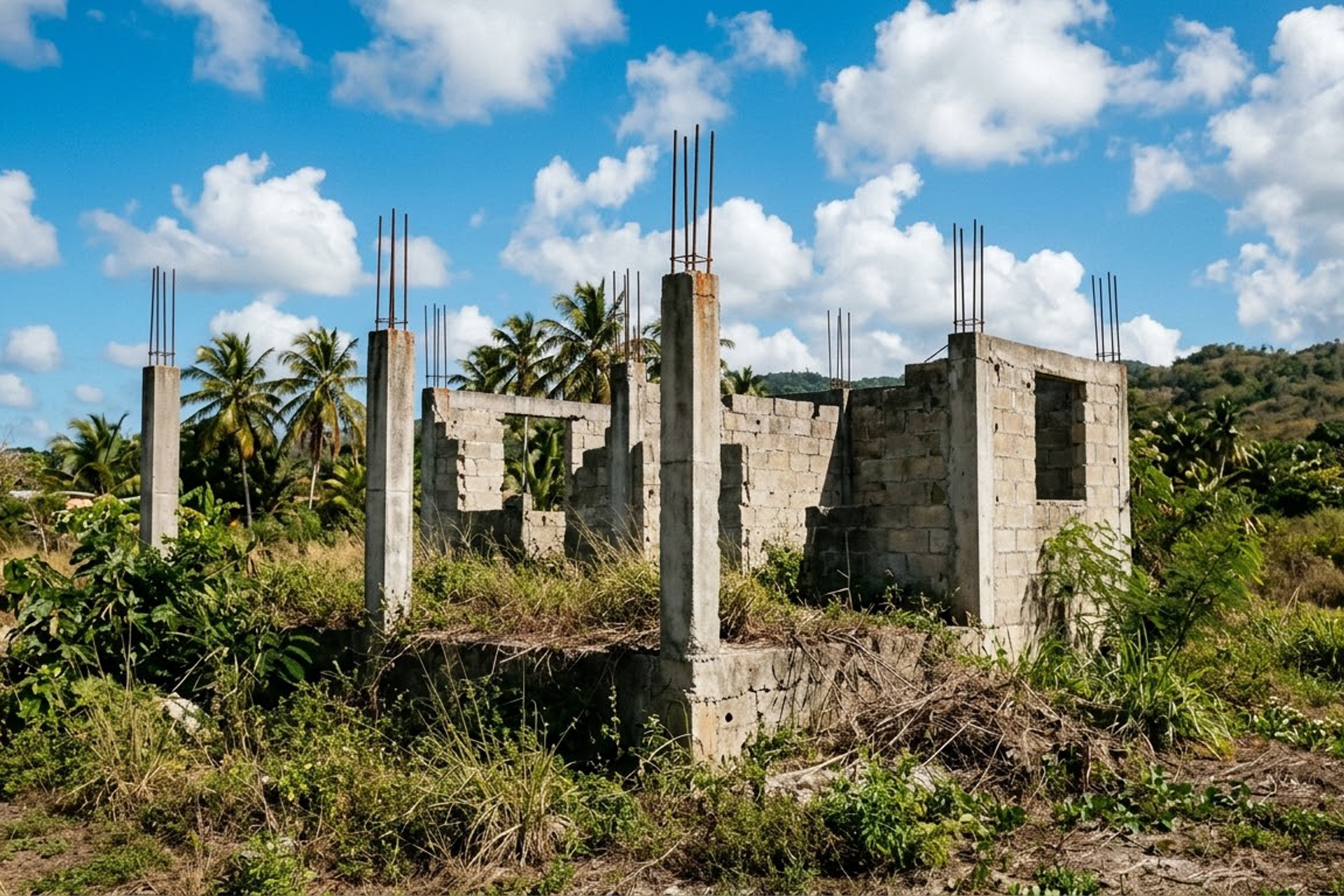
There's a fourth, quieter mistake: treating the website as finished on launch day. Bávaro changes fast — new plazas, new competitors, seasonal offers — and a site whose prices and photos are a year old quietly tells visitors the business might be too.
"Punta Cana" keywords are the most competitive in the country, but Bávaro is full of neighborhood-level searches with far less competition and very high intent: El Cortecito, Los Corales, Cocotal, White Sands, Friusa. Tourists staying in a specific area search for what's walkable — "restaurant Los Corales," "spa El Cortecito" — and residents search for services near home. A well-built site names these areas naturally in its pages, pairs them with an optimized Google Business Profile, and picks up customers who were never going to scroll past the giants on the broad "Punta Cana" terms. This is the highest-leverage, lowest-cost SEO available to a small Bávaro business, and almost nobody here does it deliberately.
The pattern is the same in every case: fast, bilingual, findable at neighborhood level, and one tap from a conversation.
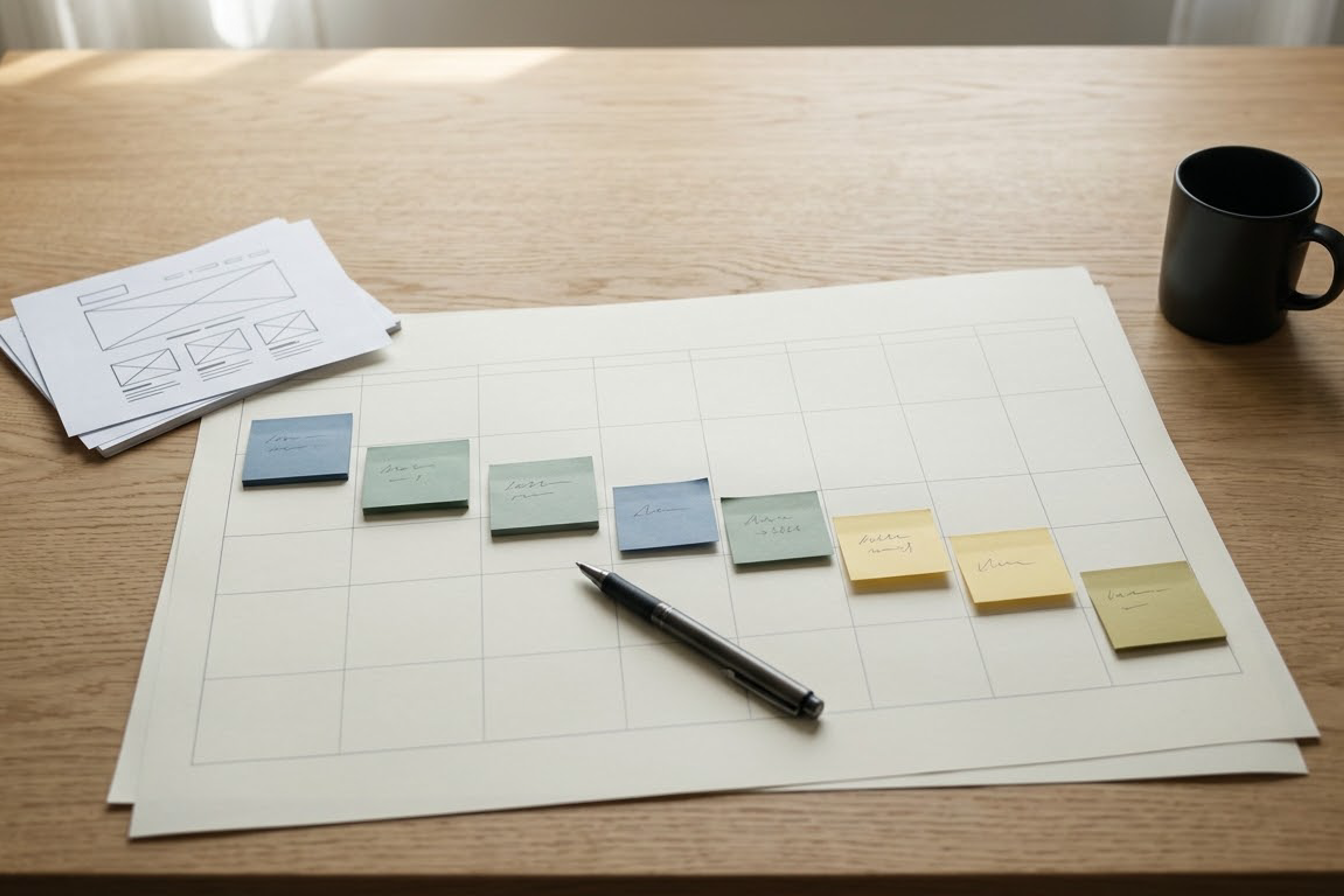
If this article describes your situation, here's the realistic path from "Facebook only" to a working web presence in about a month. Week one: decide and gather. Define the one thing the site must produce (WhatsApp inquiries? bookings? walk-ins from Maps?), then collect your raw material — your best photos, service or menu descriptions with prices, your logo, and the exact WhatsApp number and Google Maps pin you want customers using. This is the step businesses stall on for months; doing it first makes everything downstream fast. Week two: choose your builder. Get two or three quotes against the same brief, verify live portfolios on your phone, and confirm ownership, staged payments, and what's included in writing. Weeks three and four: build and review. A professional landing page or compact business site is genuinely a two-to-three-week build when the content from week one is ready; your job during this stretch is fast feedback — same-day answers keep the project on schedule. Launch week: connect everything. The site goes live, gets linked from your Google Business Profile and Instagram bio, and your WhatsApp button gets tested from a real tourist's perspective — on mobile data, in both languages. From that point the site works around the clock, and your only ongoing jobs are keeping prices current and collecting reviews. One month, done properly, beats another year of "we should really get a website."
One more Bávaro-specific note on timing: the zone's high season concentrates from December through April, and websites need weeks to be indexed and start ranking after launch. That means the right moment to build is the low season — the site that goes live in September is the one collecting December's tourists, while the business that waits until November watches the season through a construction site. The same logic applies to expansions: add your new services, updated menus, and seasonal pages before the wave, not during it, when you're too busy serving customers to think about the website that should be bringing you more of them.
DR Web Studio is based in the Punta Cana–Bávaro area and builds exclusively for this market: fast, bilingual, mobile-first websites with WhatsApp and Google integration, transparent pricing, and the first year of maintenance included. If your Bávaro business needs a website that works as hard as the market demands, contact us for a free consultation.