Business Tips
How Do Dominicans Actually Find a Local Business?
Oct 3, 2026
11 min read
consumer behaviourWhatsApp
Read More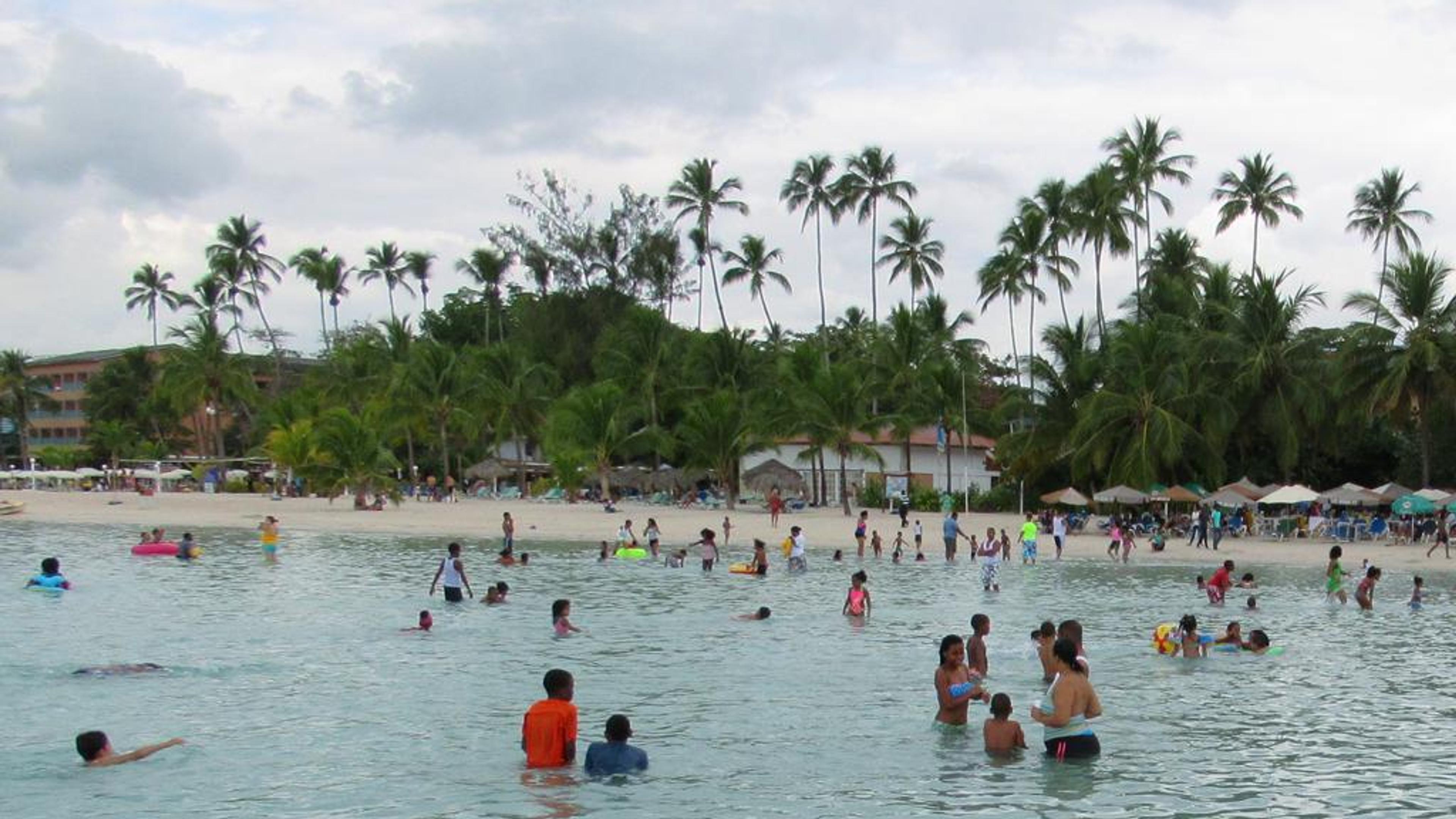
Santo Domingo is a city of more than three million people with no swimmable coastline of its own. That single geographic fact created an entire economy thirty minutes east, where Boca Chica and Juan Dolio absorb the weekend yearning of every capitaleño who spent the week in traffic. This is not a resort corridor built for foreign tour operators — it's the capital's beach, a domestic-first market running on Dominican weekends, Semana Santa, and summer, with a growing condo scene and an international airport sitting right in the middle of it. For local businesses, that combination creates an unusual opportunity: real, recurring, year-round demand, and almost nobody competing for it online.
The two towns sit on the Caribbean coast between Santo Domingo and San Pedro de Macorís, with Las Américas International Airport (SDQ) between them. Boca Chica is closer to the capital — roughly 30 kilometers, about half an hour — and the official tourism board describes it as one of the country's most accessible and iconic beaches, with shallow protected water and a lively atmosphere, ideal for short getaways and day trips. It's a genuine urban beach: busy, loud, family-oriented, full of seafood vendors and Dominican weekend culture, with a shallow reef-protected lagoon that makes it a natural choice for families with small children.
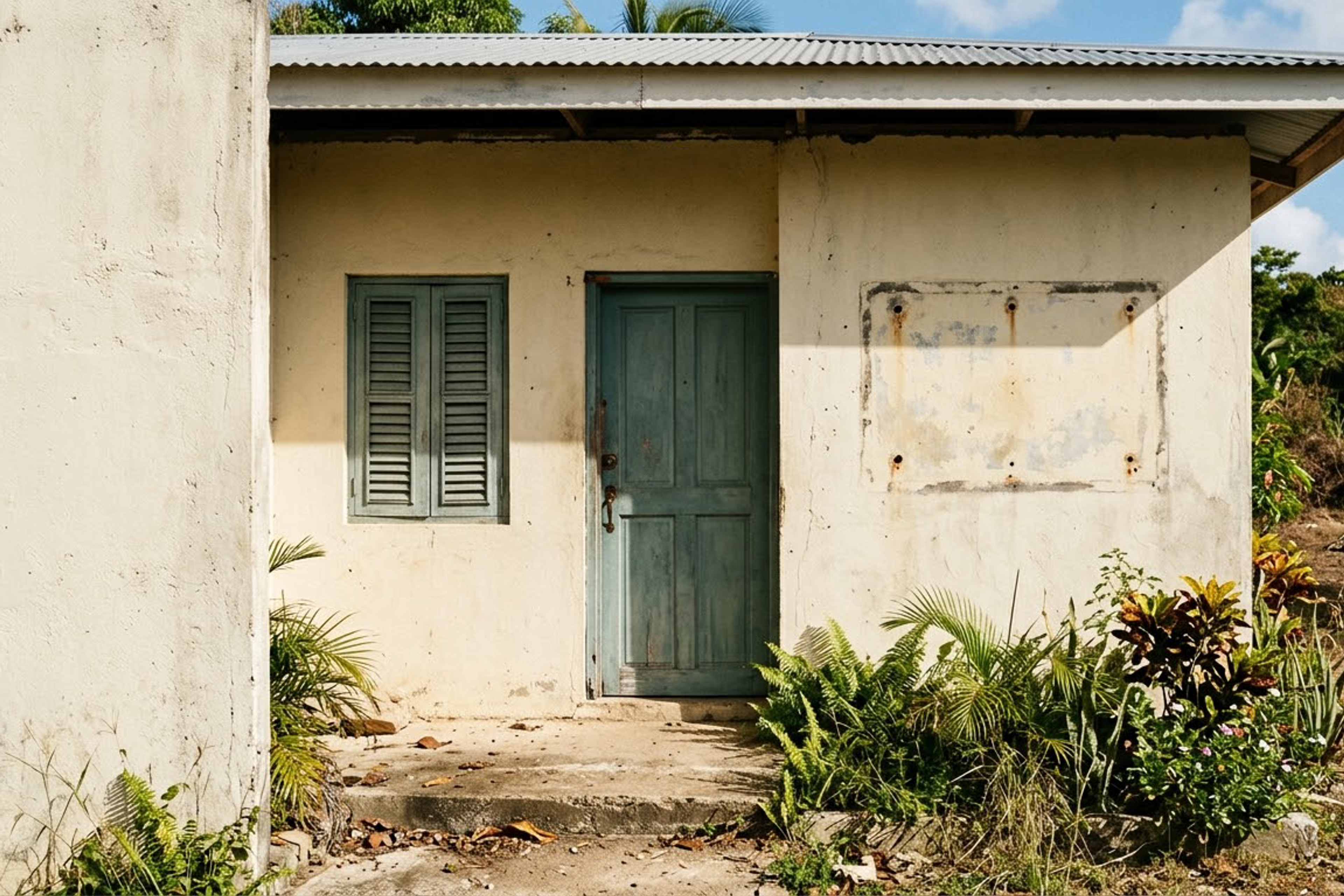
Juan Dolio sits about twenty kilometers further east, roughly 45 minutes to an hour from the capital, and has a different character — a longer, calmer strip that splits into Old Juan Dolio, with its beachfront restaurants and small hotels, and New Juan Dolio, where modern beachfront condominium towers have gone up and more are planned. Where Boca Chica is the day trip, Juan Dolio is increasingly the weekend stay and the second home.
Here's what makes this corridor genuinely different from everything else on the Dominican coast. Punta Cana serves international package tourists. Miches serves all-inclusive guests. Samaná serves eco-travelers and European expats. Boca Chica and Juan Dolio serve, first and foremost, Dominicans — capital families driving out on Saturday morning, groups celebrating birthdays on the sand, office friends escaping for an afternoon. The peak seasons are Dominican peaks: weekends year-round, Semana Santa, and the summer months.
That has direct consequences for how a website here must work. Spanish comes first, unambiguously. The searches are Dominican searches — "playas cerca de Santo Domingo," "restaurantes Boca Chica," "villas Juan Dolio fin de semana." The demand spikes on a weekly rhythm rather than a seasonal one, which means being findable this Thursday matters more than being findable in January. And the customer is local, which changes what builds trust: they know the area, they've been before, and they're choosing between places they can compare directly.
Underneath the domestic core, this corridor actually serves three overlapping audiences — and the businesses that recognize all three do considerably better:
• The capital weekender. The core market. Families and groups from Santo Domingo, deciding on Thursday or Friday where to eat, where to rent a place, what to do. Spanish-first, mobile, deciding fast, and overwhelmingly reachable through WhatsApp.
• The airport traveler. SDQ sits between the two towns, which creates a genuinely underexploited market: travelers with a long layover, an early flight, or a last night before departure who would rather spend it beside the sea than in an airport hotel. Nobody is competing seriously for "hotel near Las Américas airport beach" in English, and the traffic is there every single day.
• The condo owner and expat. New Juan Dolio's beachfront towers have created a resident and second-home community — people who need everyday services year-round, plus foreign buyers researching purchases entirely online in English, the pattern we describe for real estate websites.
• Restaurants and beach clubs. This corridor's reputation rests on seafood and beachfront dining, and the decision of where a family eats on Saturday is made on a phone Thursday night. A restaurant findable on Google Maps with real photos, a current menu, and hours wins a market its competitors don't realize is searching.
• Villa, apartment and condo rentals. The weekend rental market here is substantial and largely informal — WhatsApp groups and word of mouth — which means a direct-booking site with real photos and instant availability stands out immediately and escapes platform commissions.
• Small hotels and guesthouses. Especially those positioned for airport proximity, which is a distinct and almost entirely uncontested search market.
• Water sports, boat trips and excursions. Catamarans, snorkeling over the reef, diving, and fishing charters — bookable products that both weekenders and international visitors research, exactly the approach we lay out for tour operators.
• Property services. Sales, management, and maintenance for the growing condo inventory, serving both Dominican buyers and foreign investors.
• Spanish-first, but genuinely bilingual. The core market is domestic, so Spanish leads — but the airport traffic and condo buyers are high-value English-speaking segments, which makes real bilingual architecture worth building rather than skipping.
• Fast on mobile, above everything. Your customer is deciding on a phone, often on mobile data, often while doing something else. Speed decides whether they wait.
• WhatsApp-first contact, with deposits. In a domestic weekend market, the booking happens in a chat — one tap from every page — and the ability to secure a rental or a table with an online deposit converts a Thursday-night impulse before it evaporates.
• Answer the weekend questions. Prices, capacity, parking, whether the beach is walkable, whether kids are welcome, what's included. Weekenders are comparing three options in ten minutes; the one that answers everything wins.
• Own the airport searches. If you're anywhere near SDQ, build pages that target exactly that: distance from the airport, transfer arrangements, early check-in, late departure. It's low-competition, high-intent traffic that arrives all year.
Worth isolating, because it changes how you should think about the whole site. In a destination market, a traveler researches weeks ahead and your content has time to persuade. In this corridor, the decision cycle is roughly forty-eight hours: someone starts thinking about Saturday on Thursday evening, searches on a phone, compares two or three options, and commits — often in a WhatsApp group where one person is tasked with finding somewhere and reporting back. That compressed window has three implications. Your site must load instantly and answer everything on the first screen, because there's no patience for exploration. Your prices, capacity, and availability need to be visible without an enquiry, since the person searching is reporting to a group and can't wait a day for a reply. And your Google Maps listing matters enormously, because "restaurantes Boca Chica" on a phone surfaces the map before anything else. Businesses here don't lose customers to better competitors — they lose them to whoever answered fastest on Thursday night.
Realism serves this market better than promotion. Boca Chica in particular carries a mixed reputation — it's crowded and loud on weekends, vendors are persistent, and it has historically had problems that make some visitors cautious, particularly at night. Juan Dolio is quieter but has also lived through decades of competition from Punta Cana and Playa Dorada drawing investment east, which is why parts of the strip show their age. None of this argues against building a business here; it argues for websites that are specific and honest rather than generic. A restaurant that shows real photographs of its actual terrace, states its prices, and explains parking and access beats a vague page with stock imagery in a market where visitors have prior expectations — good and bad — and are looking for a reason to trust one option over another. Honesty is the competitive tool here, and it costs nothing.
Web development is remote work, so a business in Boca Chica or Juan Dolio doesn't need a developer in town — it needs one who understands the Dominican market and this corridor's particular mix of capital weekenders, airport traffic, and condo residents. That's exactly what we do at DR Web Studio: fast, bilingual, bookable websites with WhatsApp and local payments wired in and the first year of maintenance included. Whether you're filling tables on Saturday, weekend rentals, or a boat, the site that gets found on Thursday night is the one that gets the business. Contact us for a free consultation and let's build it.