E-commerce
How to Accept Online Payments in the Dominican Republic (2026 Guide)
Jun 22, 2026
9 min read
StripePayPal
Read More
You built the store. You're getting visitors. But the sales just aren't coming — and it's tempting to blame bad luck, the economy, or "people just aren't buying right now." Almost always, the real reason is something more fixable: friction. Globally, around 70% of online shopping carts are abandoned, and the causes are remarkably consistent — surprise costs, slow pages, missing payment options, a checkout that asks too much. The good news is that most of them are design and setup problems you can solve.
Here are the seven most common reasons a Dominican online store gets traffic but not sales — and what to do about each. If you're still setting things up, our guide to selling online in the Dominican Republic covers the foundations; this article is about why an existing store isn't converting.
Speed is the silent sale-killer. Every extra second of load time bleeds away shoppers, and the effect is worst on mobile — which matters enormously here, because roughly 70% of online purchases in the Dominican Republic happen on smartphones. If your store takes four or five seconds to load on a phone over mobile data, a large share of your visitors are gone before they ever see your product.
The fix: treat performance as a feature, not an afterthought. Optimize images, cut heavy scripts, and build on a fast foundation. We break down exactly why this translates directly into revenue in Core Web Vitals: how speed affects your online sales.
This is the big one that generic store advice misses entirely. If your checkout only offers a foreign card form or a PayPal button, you're asking Dominican shoppers to pay in a way many of them can't or won't. Shoppers abandon carts when their preferred payment method isn't available — and in the Dominican Republic, that preferred method is a local card processed through a gateway they recognize and trust, like AZUL or CardNET.
The fix: integrate a local payment gateway so customers can pay with their Dominican Visa or Mastercard, in pesos, through a checkout that feels familiar and safe. We cover every option — AZUL, CardNET, VisaNet, plus where PayPal and Stripe really fit — in how to accept online payments in the Dominican Republic.
The single most-cited reason for abandonment worldwide is unexpected extra costs — shipping, taxes, or fees that only show up at the final checkout step. Shoppers feel ambushed, and they leave. It has been the number-one cause for years running.
The fix: show the full cost early. Display estimated shipping and any fees on the product page or cart, not at the payment step, so the final number is never a shock. Clear, honest pricing builds the confidence that gets people to "buy." (Getting delivery and its costs right is a whole topic on its own — one we'll dig into in an upcoming guide on shipping and delivery for Dominican stores.)
Long, complicated checkouts kill conversions. Forcing shoppers to create an account before they can buy, asking for fields you don't need, and stretching the process across too many steps all push people out. Research consistently shows that streamlining the checkout — fewer fields, guest checkout, a clear progress indicator — can lift conversion meaningfully.
The fix: offer guest checkout, strip the form down to only what you truly need, and keep it to as few steps as possible. The platform you build on shapes how much control you have over this; we compare the options in WooCommerce vs Shopify vs custom.
Online, trust is everything — and a meaningful share of shoppers abandon because they don't feel safe entering their card details. A store that looks dated, has no visible contact information, shows no reviews, or lacks recognizable security and payment cues quietly signals "risky," even if it's perfectly legitimate.
The fix: earn trust on sight. Use a professional, current design; show real contact details and a physical presence; display customer reviews; and surface the trusted local payment logos at checkout. Dominican shoppers recognize the AZUL badge — seeing it reassures them their payment is in safe hands.
A visitor who can't clearly see what they're buying won't buy it. Dim, low-resolution, or inconsistent product photos and thin descriptions leave doubt — and doubt doesn't convert. Your product page has to do the job a salesperson would do in a physical shop.
The fix: invest in clean, high-quality product photography and descriptions that answer real questions (size, materials, what's included). Then make sure those images are optimized so they look sharp without slowing the page down — the balance we cover in image optimization for tourism and product websites. (We'll go deeper on photography that sells in an upcoming guide.)
The Dominican Republic is two markets at once: local Spanish-speaking shoppers and a huge base of English-speaking tourists and diaspora buyers. A store that exists in only one language — or worse, a Spanish site with a clumsy auto-translate button — is invisible to the other half and converts poorly for them even when found.
The fix: build genuinely bilingual, with content written for each audience, not machine-translated. We explain how to do this without hurting your search rankings in bilingual SEO: ranking in both English and Spanish. And meet customers where they already are — connect your store to WhatsApp, Google Maps, and Instagram, since most Dominican online buying starts in a chat or a social feed.
When a store isn't selling, the instinct is to chase more visitors. But if your conversion is leaking through slow pages, the wrong payment methods, a clunky checkout, or a trust gap, more traffic just means more abandoned carts. Fixing the friction is almost always cheaper — and far more effective — than buying more clicks.
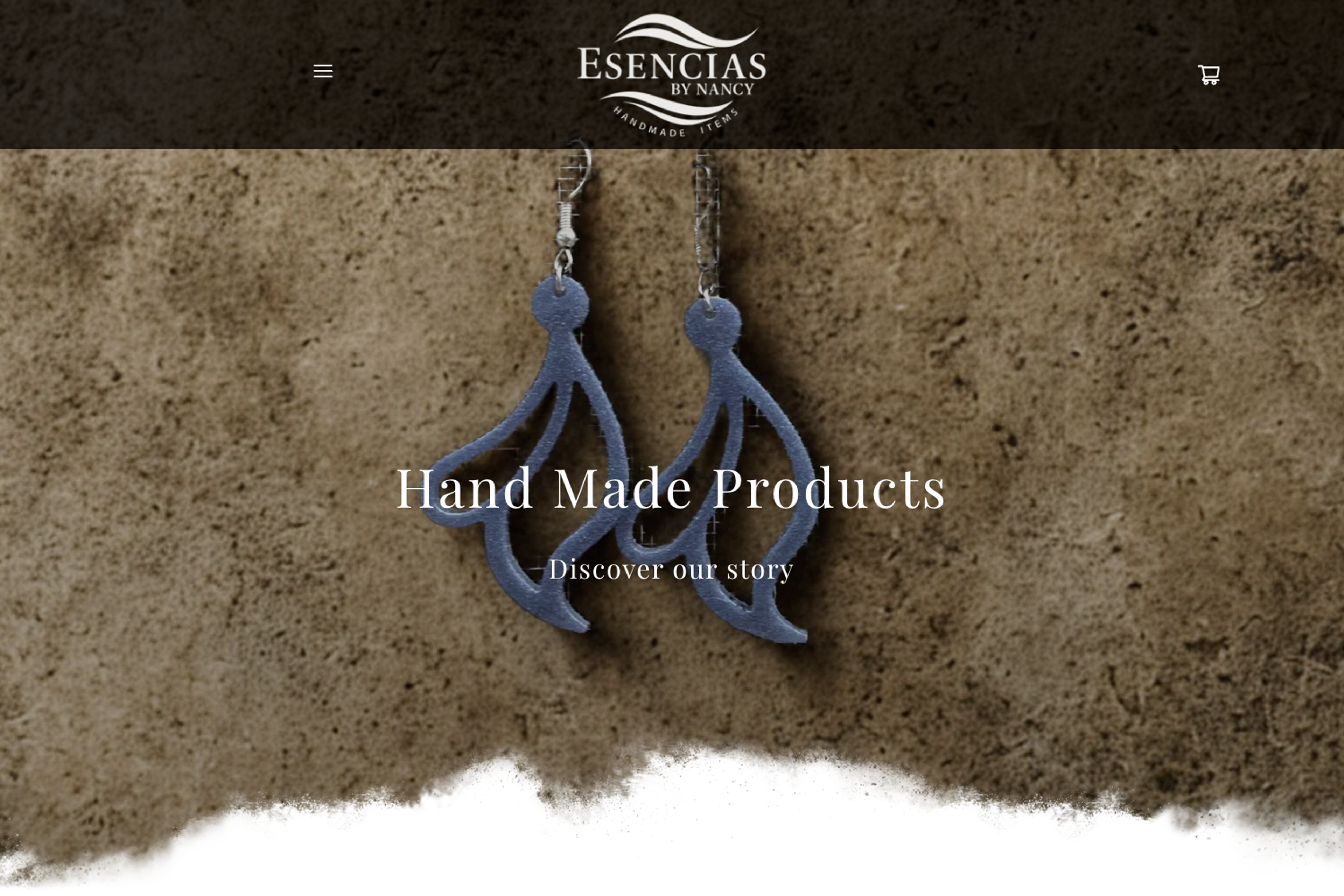
At DR Web Studio we build and fix online stores for Dominican businesses with all of this designed in from the start — fast, bilingual, local payments wired directly into the checkout, built to convert. You can see one example in our Esencias by Nancy e-commerce case study.
If your store is getting visits but not sales, get in touch for a free consultation. We'll audit where your customers are dropping off and show you exactly what to fix first.